


Professional Butchers Reveal 5 Meats You Should Never Buy at Supermarkets


While grocery shopping for dinner, swinging by the meat aisle of supermarkets might seem like the most practical and economical route. However, according to world-renowned professional butchers, this option carries certain risks.
Here are the 5 types of meat that master butchers warn 'Do not buy from supermarkets' and the striking reasons behind it...

1. Ground Meat (High Risk of Contamination)
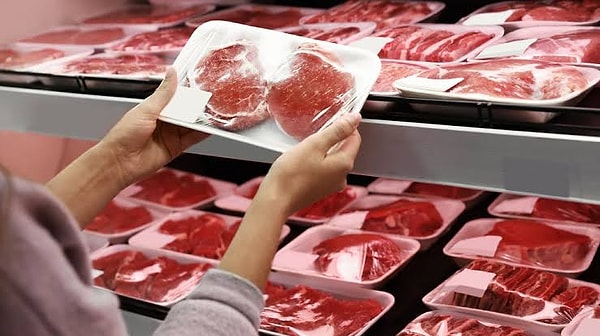
Most consumers prefer supermarket minced meat for making meatballs or burgers, believing that sauces mask the taste. However, Butcher Luis Mata advises steering clear of beef and chicken mince sold in supermarkets.
Supermarket mince is pre-ground and packaged in massive meat processing facilities. This practice leads to a rapid spread of bacteria.
In these facilities, it's not the best cuts of meat that are used, but rather a mix of trimmings from different animals. Authentic butchers, on the other hand, use only trimmings from a single high-quality muscle group, allowing them to control the balance of fat and flavor in the mince on the spot.
2. "Fresh" Labelled Fish and Seafood Products
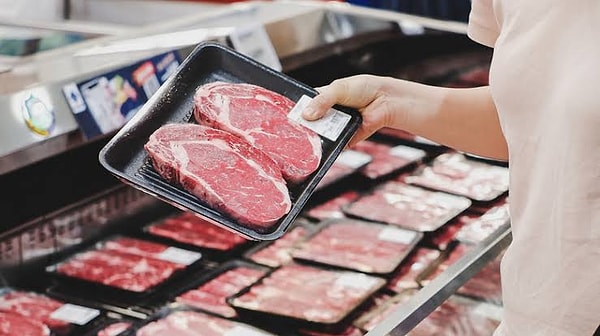
There are claims that the 'fresh' labels in the seafood section of supermarkets often do not reflect the truth.
Master Butcher Rusty Bowers shares a golden rule on this matter: “If you can't drive from the beach to that store in 20 minutes, buy your seafood from the frozen section, not the fresh one.”
Frozen products that are shocked on the boat immediately after being taken out of the sea are much healthier and tastier than the 'so-called fresh' fish that have been sitting on the market counter for days and lost their freshness.
3. "21-Day Aged" Beef (The Wet Aging Deception)
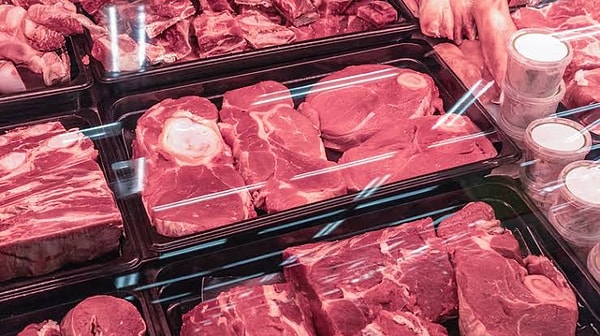
Aged meats, a favorite among meat lovers, have turned into a major marketing tactic in supermarkets.
Rich Silverman, a master butcher, points out that supermarkets lack the budget, space, and equipment to perform real 'dry aging.'
Supermarkets resort to 'wet aging' by placing the meat in a plastic package. This traps the moisture inside the meat. When you cook it, the trapped moisture steams the meat from the inside, resulting in a tough, chewy piece of meat.
In contrast, authentic butchers hang the meat as a whole carcass and let it age in dry air. As the moisture evaporates, the meat becomes as tender as a Turkish delight, revealing its true flavor.
4. Bone-In Meat Cuts (Risk of Bone Souring)
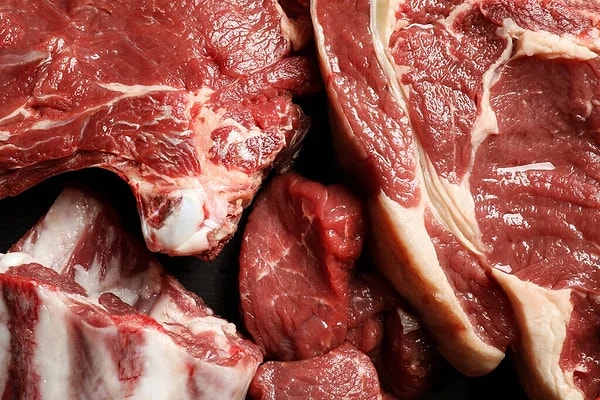
Bony meats are wonderful for boiling and making broth, yet they carry a significant risk on supermarket shelves. Butcher Jerry Rempe points out that the cooling systems of supermarkets are not able to reach every package equally fast.
The bone affects the pH balance of the meat. In supermarket fridges where the temperature sensitivity is not precisely adjusted, bacteria rapidly multiply in bony meats. This leads to a foul smell in the meat, a sticky texture, and a change in color (bone souring).
SIGNS OF BONE SOURING
The sour smell in the meat caused by organic acids
The sticky layer formed on the surface
Bruising and color change around the bone
5. Offal, Pate, and Terrine: A Look into Gourmet Delicacies
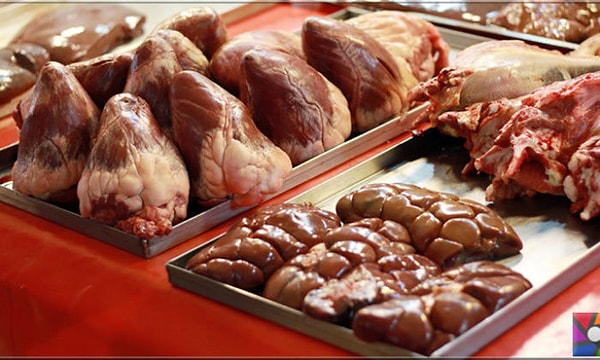
Preparing offal like liver and kidney, as well as homemade charcuterie products (pate, terrine), undoubtedly requires expertise.
Butcher Rosangela Teodoro emphasizes the need for consistent temperature and special equipment to prevent these products from spoiling, pointing out that supermarkets lack this level of hygienic expertise.
Chef Jeanne Oleksiak, on the other hand, reminds us that due to the low demand for offal in supermarkets, these products are often moved from freezer to freezer and left for months, causing them to completely lose their freshness.
In summary: Why choose a butcher?
Experts highlight that specialty butchers often collaborate with small farms that take good care of the land and animals. This is why their products may be more expensive, but they assure that in terms of health, hygiene, and taste, you're getting full value for your money.
Keşfet ile ziyaret ettiğin tüm kategorileri tek akışta gör!
 Test
Test
 Gündem
 Magazin
 Video
Video



Send Comment