


One of the Happiest Countries in the World: Bhutan’s Unique Philosophy of Life!


Nestled in the heart of the Himalayas, a small kingdom sandwiched between China and India stands out with a life philosophy that turns the values of the modern world upside down. Bhutan, as the sole country that measures happiness instead of money, operates on a carbon negative basis, and constitutionally safeguards nature, truly exemplifies the essence of sustainable development.
Source

The Only Country that Measures Happiness
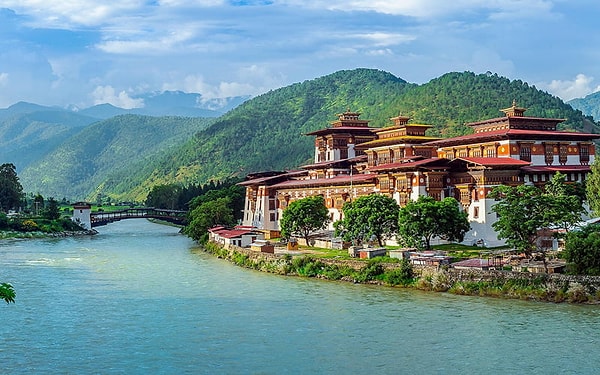
In 1972, King Jigme Singye Wangchuck, who ascended to the throne at the tender age of 17, made a decision that left the world in awe. Instead of measuring economic success with Gross Domestic Product, he introduced the concept of the 'Gross National Happiness Index'. This revolutionary approach entirely transformed the development policies of his country.
The Gross National Happiness Index is founded on four fundamental elements:
Sustainable development
Environmental conservation
Preservation of cultural values
Good governance
This index evaluates the true prosperity of the country by measuring the quality of life of its citizens, their mental health, level of education, cultural diversity, and environmental sustainability. Bhutan's approach has captured the interest of scholars and policy makers worldwide, even inspiring the United Nations to develop happiness indices of their own.
Carbon Negative: The Lungs of the World
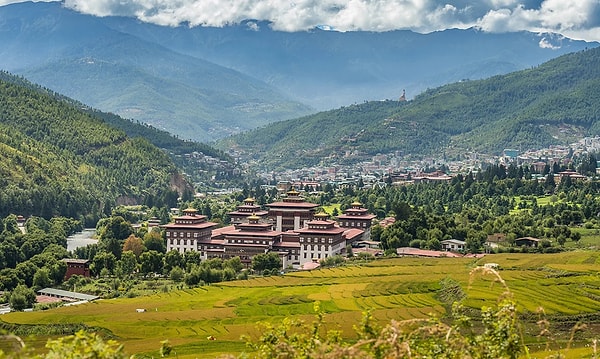
Bhutan holds the unique distinction of being the only carbon-negative country in the world. The nation's forests absorb more carbon dioxide than they emit into the atmosphere. This extraordinary achievement is underpinned by a unique clause in the country's constitution: at least 60% of Bhutan's land must be forested.
Today, 71% of the country is covered by forests, a figure that continues to rise. Bhutan absorbs about 6 million tons of carbon dioxide annually, yet only emits 1.5 million tons, positioning it as a leader in the fight against global warming. The country has pledged not just to remain carbon neutral, but to continue being carbon negative by 2030.
Pioneering Environmental Protection
Bhutan has also pioneered numerous initiatives in environmental protection. It was one of the first countries to implement a ban on plastic bags. This prohibition, which began in 1999, has been expanded to cover all single-use plastic products.
The country's energy policy is also noteworthy. Bhutan meets almost all of its electricity needs from hydroelectric power stations and sells a large portion of its clean energy to neighboring countries. This is one of the significant factors supporting the country's carbon-negative status.
Controlled Transition to Modern Technology
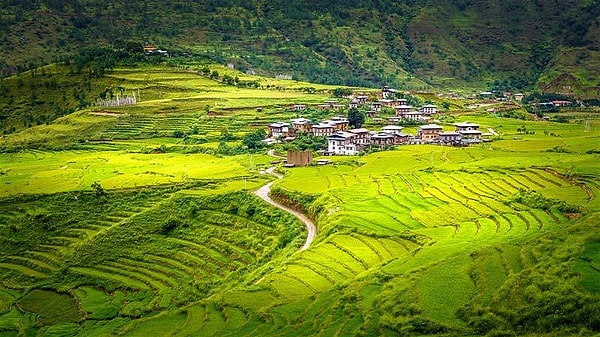
Bhutan's approach to modernization is quite noteworthy. Television, which was the last piece of modern technology to be banned, was not legalized until 1999. This decision was made by King Jigme Singye Wangchuck IV out of concern that television could negatively impact traditional culture. When the ban was lifted in 1999, the country simultaneously opened its doors to the internet.
This controlled approach to modernization has allowed the people of Bhutan to preserve their traditional way of life. Even today, it's mandatory for citizens to wear traditional attire known as 'gho' for men and 'kira' for women during official ceremonies and holidays. These practices aim to maintain a strong cultural identity.
Tourism: Quality Comes First
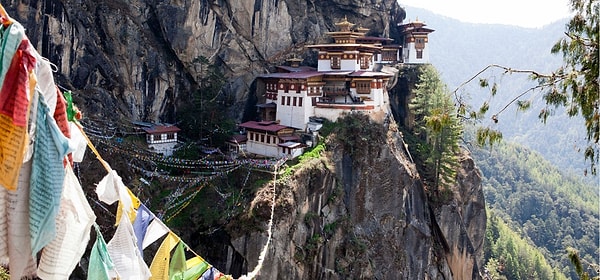
Bhutan's tourism policy mirrors the country's philosophy of 'less is more'. Rather than embracing mass tourism, the country opts for sustainable tourism. By 2023, the country, which currently charges a 'Sustainable Development Fee' of $200 per day (now reduced to $100), aims to use this money to minimize the environmental and cultural impacts of tourism.
Adhering to the principle of 'high value, low impact', Bhutan consciously keeps its annual tourist numbers around 300,000 under control. The collected fees are allocated to education, health, and environmental protection projects. Thanks to this system, tourism not only contributes to the country's development but also aids in preserving its natural and cultural values.
Modern-Day Bhutan
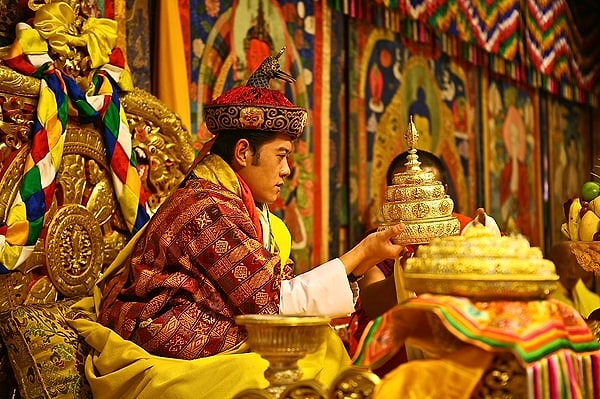
Today, with a population of 770,000, Bhutan continues to be one of the smallest countries in the world. Yet, contrary to its size, its global impact is quite significant. The country's happiness-centric development model is the subject of academic research worldwide and is being adopted as an example by many countries.
In 2008, Bhutan transitioned from a monarchy to a constitutional monarchy, successfully blending democratic values with a traditional royal system. The young King V. Jigme Khesar Namgyel Wangchuck, following in his father's footsteps, carries on the country's sustainable development policies.
The story of Bhutan proves that it is possible to strike a balance between economic growth and environmental protection. The experience of this small Himalayan kingdom demonstrates to the world that 'true wealth should be measured not in money, but in happiness and sustainability.'
Keşfet ile ziyaret ettiğin tüm kategorileri tek akışta gör!
 Test
Test
 Gündem
 Magazin
 Video
Video



Send Comment