


Kütahya, Turkey: Castle, Tiles, Ancient Ruins And Old Streets Worth Seeing


Kütahya, in western Turkey, has a history that goes back some seven thousand years and has been home to many civilisations. Castles, mosques, museums, mansions that have outlived their centuries, a famous tile-making tradition and a kitchen of its own all come with the city. More than half of the province is covered by forest, so the landscape changes with every season.
Kütahya is also one of the cities in UNESCO's Creative Cities Network. If you are planning a trip, these are the places worth putting on your list.


Ancient ruins and green valleys lie around the city.
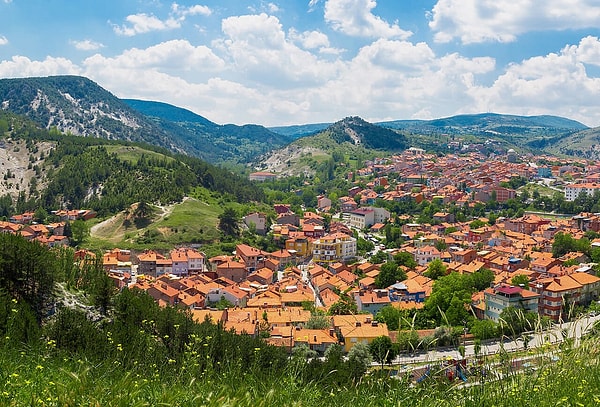
Aizanoi
Excavations at the ancient city of Aizanoi began in 1926 and have since uncovered a theatre, a stadium, an agora, a bridge, a gymnasium and a necropolis.
Phrygian Valleys
Most of us know the Phrygians through King Midas and his donkey ears. In the Phrygian Valleys you can see traces of their civilisation: altars, rock-cut tombs and open-air temples.
Forests and highlands
Domaniç Ebe Çamlığı city forest changes colour with every season and draws campers and hikers. Sarıçiçek Plateau on Mount Murat is the place for quiet, and the Ilıcaksu Sarıkız Spring picnic area has its own local legend. Near Yeniköy there are rock formations that resemble the fairy chimneys of Cappadocia; there are no signs pointing the way.
Kütahya Castle has watched over the city since Byzantine times.
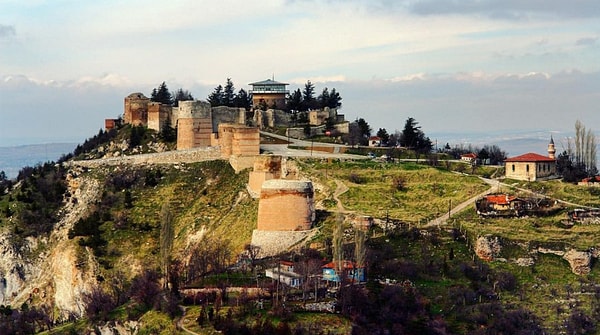
The history of Kütahya Castle goes back to the Byzantine period. It took its present form through repairs and additions made by the Germiyanids, the Seljuks and the Ottomans. Inside there is a fountain, a small mosque, a country coffeehouse from the Republican era and a revolving restaurant.
The Kütahya Archaeology Museum, opened in 1965, holds one of the few Amazon sarcophagi in the world, which depicts the battles between Greeks and Amazons. Its collection runs from the Late Miocene to the Ottoman period.
Tiles are the city's signature.
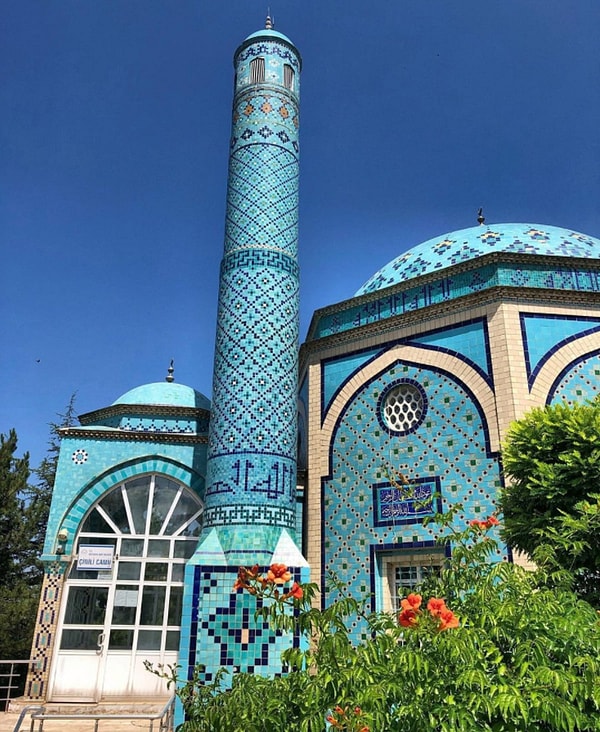
Kütahya is famous for its tiles, and the Çinili Mosque shows why: the interior is decorated with hand-painted designs and the exterior is covered with blue Kütahya tiles.
The Kütahya Tile Museum opened in 1999 in the restored imaret (public kitchen) section of the Yakup Bey II complex. To take a piece of this craft home, walk through the Tile Makers' Bazaar (Çiniciler Çarşısı), where the designs come in every pattern you can imagine.
The old streets take you back to the 19th century.
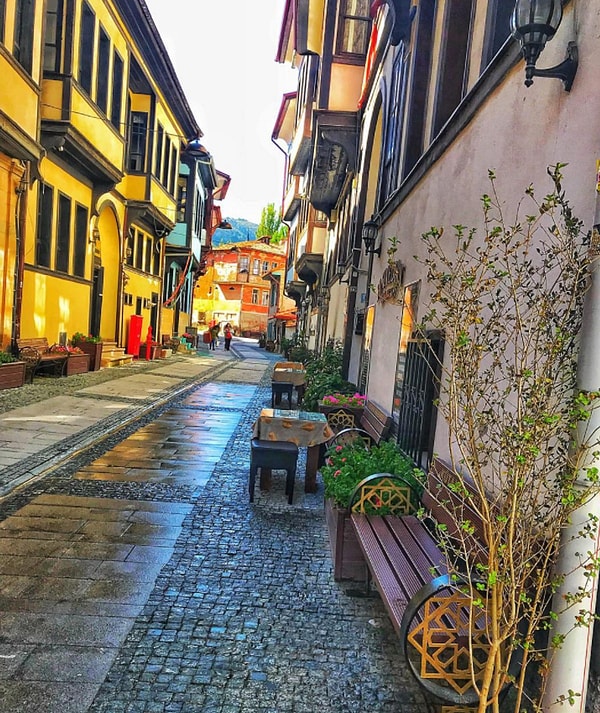
Historic Kütahya mansions
These 19th-century houses have two or three floors, many small windows, wide eaves, wooden frames and the projecting upper rooms typical of Kütahya. You will find them on Ahi Erbasan and Germiyan streets.
Germiyan Street
Walking the cobblestones of Germiyan Street, lined with wooden houses, feels like stepping into 19th-century Kütahya.
Lajos Kossuth House
Also known as the Kossuth Museum or the Hungarian House, this museum is the home where Lajos Kossuth, who led Hungary's fight for independence, lived during his years in Turkey. It displays items related to Kossuth and Hungarian culture.
Keşfet ile ziyaret ettiğin tüm kategorileri tek akışta gör!
 Test
 Gündem
 Magazin
 Video



Send Comment