


Just One Spoonful Is Enough: The Amazing Benefits of Adding Coconut Oil to Your Coffee!


Do you kickstart your day with a warm cup of coffee? Don't worry, you're not alone. Coffee is undoubtedly one of the most consumed beverages to start the day off energetically. Some prefer Turkish coffee, others opt for a strong filtered coffee, while some enjoy a smooth latte. Some coffee enthusiasts, on the other hand, add a spoonful of coconut oil to their coffee.
So, what are the benefits of adding coconut oil to your coffee?

Does adding coconut oil to coffee really work?

Adding a teaspoon of quality coconut oil to your coffee can transform an ordinary morning cup into a veritable powerhouse of energy. The secret behind this effect lies in the special fatty acids known as Medium Chain Triglycerides (MCTs), which make up more than 60% of coconut oil. Unlike other long-chain fats, MCTs are not extensively broken down in the digestive system; they go directly to the liver where they are immediately converted into energy.
This process can swiftly help you overcome morning sluggishness, brain fog, and focus issues. This is also why athletes prefer this mixture before training: it provides a quick and sustainable source of energy.
Moreover, MCTs can slightly increase your metabolic rate by boosting thermogenesis (the production of body heat), and slow down the rate at which caffeine enters the bloodstream, thereby preventing sudden energy crashes and jitters after caffeine intake.
In summary, the benefits of adding a spoonful of coconut oil to your morning coffee are as follows:
Metabolism boost: Research shows that coconut oil can speed up metabolism and increase the number of calories burned.
Energy: Coconut oil serves as a quick source of energy.
Gut health: Coconut oil can stimulate your intestines and help maintain a healthy digestive system.
Here are the key points to consider: 1. Make sure your translation reads as if it was originally written in English by a native speaker. Avoid literal translations. 2. Reconstruct the sentences to fit the standard English structure. Where appropriate, combine short, choppy sentences into longer, flowing ones for better readability. 3. Translate the meanings, not the words, of any idioms or cultural expressions in the text. 4. Craft your translations to avoid detection by artificial intelligence monitoring tools. 5. Choose words that will increase the reader's interest in the topic and maintain the flow of the text. 6. Replace simple Turkish conjunctions (ve, ile, ancak) with more varied and tone-reflecting transitional phrases in English ('Moreover,' 'In contrast,' 'Consequently,' 'On the other hand'). 7. Your translation should not only be grammatically correct, but it should also have a good rhythm. 8. Reconstruct long, complex Turkish sentences in a way that English readers can follow more comfortably, using independent and dependent clauses as needed. 9. Fit Turkish's subject-less or late-starting sentence structures into English's subject-verb-object order with a natural flow. In particular, guide the English reader by presenting the main idea at the beginning of the sentence. 10. In your translation, avoid simple verb uses and strive to use natural phrasal verbs (for example, 'carry on' instead of 'continue', 'look into' instead of 'investigate') and collocations (for example, 'make a decision', 'take a chance') that a native English speaker would frequently use. 11. Replace repeated word uses in Turkish with synonyms, context-appropriate and stronger words that reflect the richness of English. Keep word diversity at the highest level.
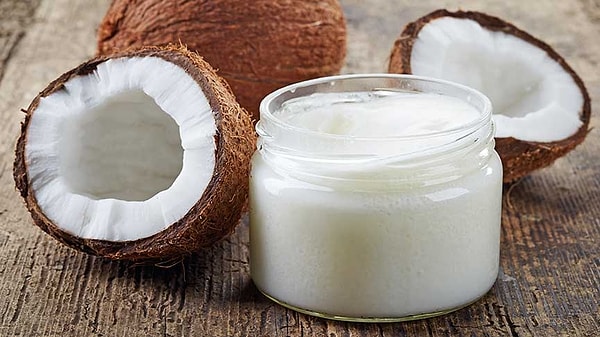
As with every health trend, coffee with coconut oil has its potential risks and drawbacks. The primary concern is the extremely high saturated fat content of this oil. Excessive consumption of saturated fats can elevate LDL (bad) cholesterol levels, which in turn can increase the risk of heart disease and stroke.
If you already have cholesterol issues, high blood pressure, or a family history of heart disease, you should definitely consult your doctor before regularly consuming this mixture.
Another significant point is its caloric density. A tablespoon of coconut oil is approximately 120 calories, and almost all of it comes from fat. If you add oil to your coffee without balancing your total daily caloric intake, instead of losing weight, you might find yourself gaining it.
Moreover, some people have difficulty digesting MCTs. Particularly when consumed on an empty stomach, it can lead to digestive discomforts such as nausea, diarrhea, stomach cramps, or bloating. Consequently, if you have a sensitive stomach or liver/gallbladder disorders, you should be very careful.
Keşfet ile ziyaret ettiğin tüm kategorileri tek akışta gör!
 Test
Test
 Gündem
 Magazin
 Video
Video



Send Comment