


If You Are Feeling Cold, There Is a Reason: Why Are Airports Always Chilly?


Do you recall those times when you were freezing in airport terminals because you didn't have a blanket? You'll be surprised to learn that this isn't a coincidence, but rather the result of careful engineering calculations. Keeping airports cold has critical reasons behind it, both in terms of passenger health and operational efficiency.

Crowds and Glass Surfaces: The Two Primary Sources of Heat Gain
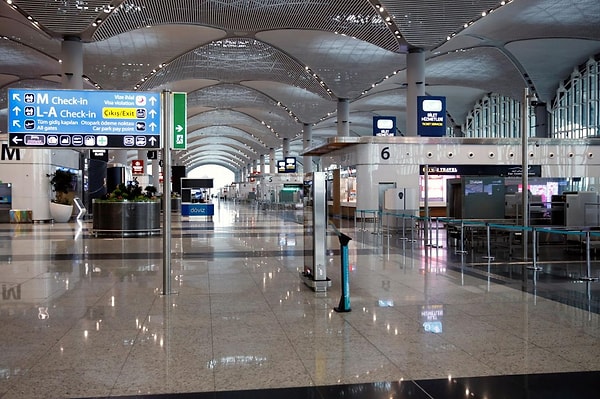
As revealed by airport architect Tony Abad, terminal buildings host thousands of passengers daily, with each human body emitting approximately 100 watts of heat per minute. This phenomenon results in a natural rise in temperature within crowded terminals. Moreover, the characteristic large glass surfaces of airports allow the heat from sunlight to penetrate, creating a greenhouse effect.
When these two factors combine, the temperature inside the terminal can rapidly escalate. According to standards set by ASHRAE (American Society of Heating, Refrigerating and Air-Conditioning Engineers), commercial buildings should be maintained between 20-22°C. However, to counterbalance this heat gain, airports are compelled to operate their air conditioning systems more aggressively.
Health and Safety: The Hidden Benefits of Cold Weather
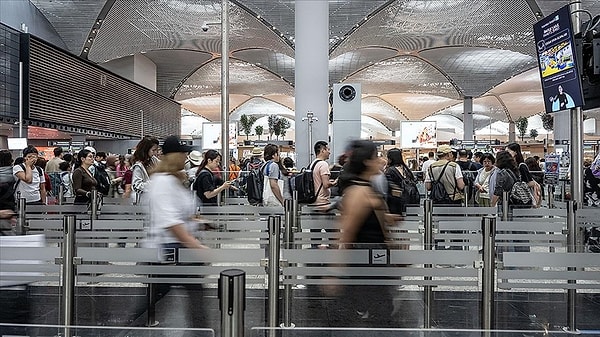
Maintaining low temperatures is not merely a matter of comfort, but also a crucial health strategy. Cold air significantly slows down the spread of bacteria and viruses by controlling the level of humidity. This is particularly critical in airports, where thousands of passengers from different countries converge.
According to guidelines set forth by the Federal Aviation Administration (FAA), air quality and temperature control in terminal buildings are mandatory for passenger health. Research indicates that cold environments can reduce the spread rate of viral diseases by up to 40 percent.
Equipment Protection: The Unseen Technical Necessity
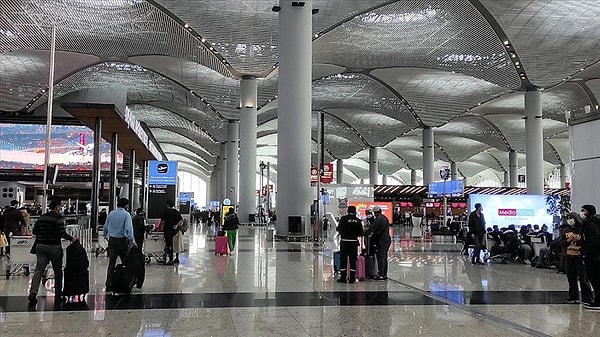
Another crucial reason for the chilliness in airports is the preservation of technological equipment. Baggage scanning machines, security systems, and navigation devices necessitate low temperatures for optimal performance. Overheating of electronic systems poses serious risks both in terms of cost and security.
In particular, X-ray machines and metal detectors used in baggage handling systems generate excess heat due to their continuous operation. Therefore, maintaining a lower terminal temperature aids in prolonging the lifespan of the equipment and minimizing the risk of malfunction.
Keşfet ile ziyaret ettiğin tüm kategorileri tek akışta gör!
 Test
Test
 Gündem
 Magazin
 Video
Video



Send Comment