


Calculated: Are There More Grains of Sand on Earth or Stars in the Observable Universe?


Carl Sagan's metaphor, 'there are more stars in the universe than there are grains of sand on Earth,' is among the most famous in the scientific world. But does this poetic statement truly stand on scientific data? Research from the University of Hawaii, coupled with recent discoveries from the James Webb Space Telescope, provides startling answers to this question.

How Many Grains of Sand are There on Earth?
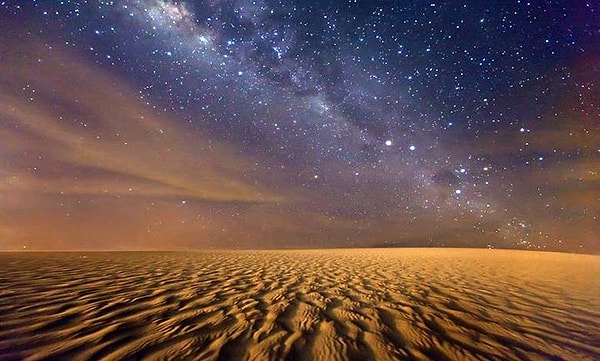
Leading the research, Dr. Gary Greenberg, a geographer from the University of Hawaii, estimates the total number of sand grains on our planet to be approximately 7.5 x 10^18. This staggering figure encompasses all the grains of sand in all the deserts, beaches, and riverbeds. The researchers based their calculations on the assumption that 20% of the Earth's surface is covered with sand, with an average sand layer depth of 3 meters.
This colossal number pushes the boundaries of human comprehension. However, when compared to the universe, this figure seems rather modest. According to calculations by the Harvard-Smithsonian Center for Astrophysics, the number of stars in the observable universe ranges between 10^22 and 10^24.
The James Webb Telescope is Discovering New Galaxies
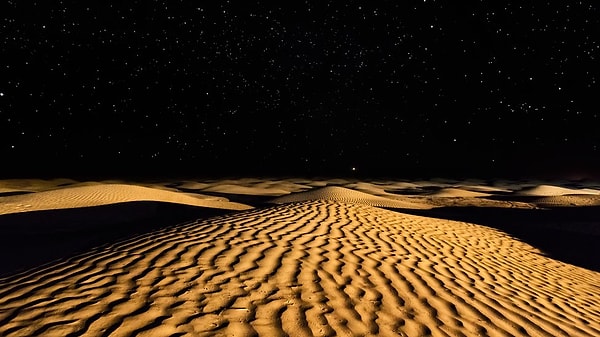
The James Webb Space Telescope, which became operational in 2022, is dramatically altering our estimates of the number of stars. According to NASA's statements, the telescope has detected galaxies that are 13.5 billion years old and catalogs new star clusters with each observation. Thanks to Webb's infrared vision capability, previously unseen star formation regions are being revealed.
In particular, data obtained from Webb's CEERS (Cosmic Evolution Early Release Science) project indicates that the density of galaxies in the early universe was much higher than anticipated. According to statements by Dr. Jenny Greene, a professor of astrophysics at Princeton University, each new observation necessitates an upward revision of current star count estimates.
Numerical Comparison: 10,000 Times More Than Sand
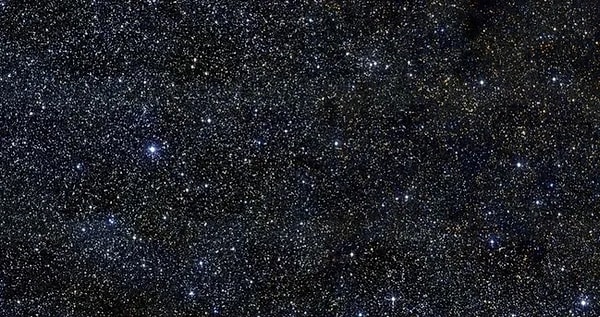
NASA's Hubble Deep Field images unveiled the presence of thousands of galaxies even within a pinprick-sized area of the night sky. This revelation paved the way for the first serious estimates regarding the number of stars. According to current calculations, the stars in the universe outnumber the grains of sand on Earth by approximately 10,000 times.
This ratio demonstrates just how apt Carl Sagan's metaphor truly is.
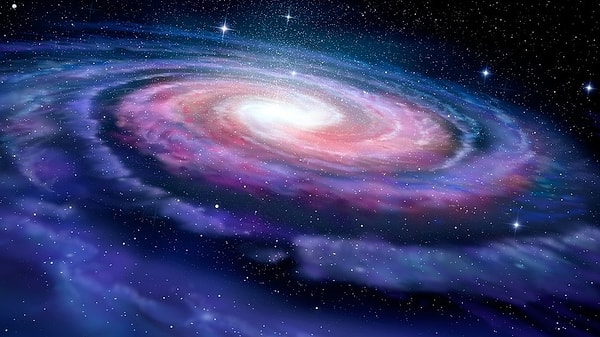
According to data from the European Southern Observatory, the Milky Way galaxy alone is home to approximately 400 billion stars. Moreover, in the observable universe, there exists no less than 2 trillion galaxies.
Keşfet ile ziyaret ettiğin tüm kategorileri tek akışta gör!
 Test
Test
 Gündem
 Magazin
 Video
Video



Send Comment