


Hidden Cost of Working From Home: Scientists Reveal Major Drawbacks of Remote Careers


With the pandemic, the home office model, which has become permanent for millions of workers, stands out with advantages such as time saving, flexible working hours, and a better work-life balance. However, recent research reveals that remote working can produce unexpected negative results in many areas from career development to mental health in the long term.
Here are the details.
Source: The news has been compiled from research and reports published by Forbes, Investopedia, Science, The Wall Street Journal, Microsoft Work Trend Index, Microsoft Research (Nature Human Behaviour), and the World Health Organization (WHO). You can find the relevant links in the descriptions.

Your Career May Slow Down Without You Noticing
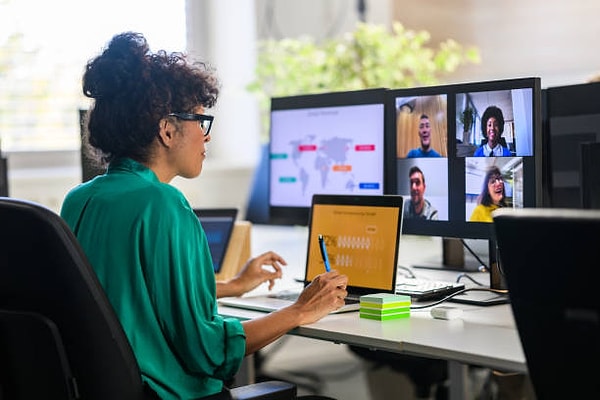
According to an evaluation based on research by the global human resources platform Deel, published by Forbes, many remote workers believe that not being physically present in the office could negatively affect their careers. The research particularly highlights that managers tend to remember employees they see frequently, assign them more tasks in significant projects, and these employees can stand out more in promotion processes.
Experts define this situation as 'proximity bias.'
The research suggests that even if the performance is high, the decrease in face-to-face communication with managers can reduce the visibility of employees. This can especially slow down the career progression for those who work entirely remotely. Experts emphasize that companies should evaluate their employees based on the results they produce, not their physical presence.
Social Isolation Can Affect Mental Health
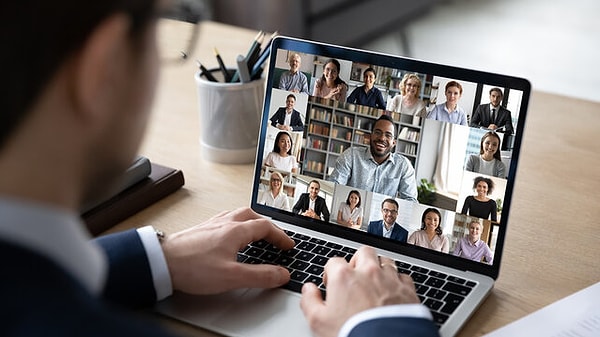
A comprehensive study published in Science magazine and reported by Investopedia focused on the social life of home office workers. The study, which examined five national surveys between 2011 and 2024, found that people working in jobs suitable for remote work spend more time alone during the day.
Socialization decreases, depression and sadness increase
According to the study, these people socialize less with their friends after work, their chances of spending the entire day alone increase, and particularly among workers living alone, rates of sadness, depressive symptoms, and use of mental health services are higher. Scientists state that this effect is most pronounced among workers living alone.
The Boundary Between Work and Personal Life is Becoming Blurred
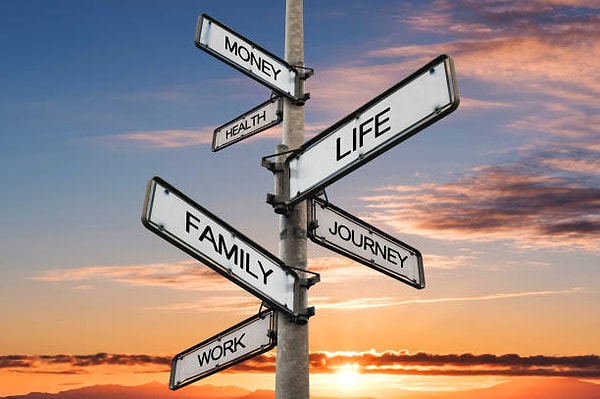
One of the most frequently mentioned problems of working from home is the increasingly blurred line between work and private life. According to Microsoft's published Work Trend Index reports, many remote workers start their shift earlier, end their work later, and continue to check their emails and messages outside of working hours.
Researchers describe this situation as the 'always reachable' culture.
While the sense of being constantly online replaces short breaks during the day, it is stated that it becomes harder for employees to mentally distance themselves from work. According to experts, this situation can pave the way for problems such as stress, burnout, and a decrease in sleep quality in the long term.
Less Movement, More Health Risk

Another notable effect of remote work is the decrease in physical activity. The World Health Organization (WHO) and research in the field of ergonomics highlight that the elimination of walks to and from work and natural mobility throughout the day increases the risk of a sedentary lifestyle.
Sitting at a computer for a long time is associated with back, neck, and spine pain, as well as musculoskeletal system problems. Experts recommend that people working from home regularly stand up during the day, take short walks, and make their work environment ergonomic.
Creativity and Team Communication Can Weaken

The effects of remote work on team dynamics are also attracting the attention of scientists. Research published in Nature Human Behaviour reveals that communication between different departments in fully remote teams decreases over time, and employees start to communicate with a narrower circle.
According to researchers, spontaneous short chats, idea exchanges, and instant brainstorming in the office environment play a significant role in the emergence of new ideas. The decrease in these interactions can negatively affect creativity and innovation.
Instead of Working Completely from Home, Hybrid Model Stands Out

Current research compiled by the Wall Street Journal suggests that the most balanced work model could be the hybrid system. According to the findings, employees who go to the office one or two days a week experience higher job satisfaction compared to those who work entirely remotely, and they are also able to maintain stronger connections with their team members.
It is also observed that the rates of leaving the job are lower.
On the other hand, it is stated that feelings of loneliness, anxiety, and thoughts of leaving the job are higher among those who work entirely remotely. According to experts, the hybrid model that maintains face-to-face work on certain days preserves the advantages of flexibility and can reduce the risks created by lack of social interaction.
What Do Experts Recommend?
The research does not suggest that the home office model should be completely abandoned. However, it is also emphasized that it is of great importance for employees to establish regular social interaction, strengthen their communication with managers, and for companies not to evaluate performance based solely on physical visibility.
According to experts, the work model of the future will most likely not be entirely office or entirely home; it will be hybrid systems that balance flexibility with face-to-face communication.
Which would you prefer: working in the office or working from home?
Keşfet ile ziyaret ettiğin tüm kategorileri tek akışta gör!
 Test
Test
 Gündem
 Magazin
 Video
Video
Read More






Send Comment