


End of Breaking Tiles: Smart Bathroom Renovation Method Cuts Costs by 70%


When one thinks of bathroom renovations, the first things that come to mind are days of noise, dust spreading all over the house, weeks of labor, and piles of rubble at the front door. However, with the advancement of material technology, this exhausting period is becoming a thing of the past. Thanks to micro cement, epoxy paints, vinyl adhesives, and special coating panels, it is now possible to completely renovate bathrooms in a few days, or sometimes even a few hours, without having to remove old tiles or cause any damage.
This rapidly rising trend in the construction industry offers an alternative that is both budget-friendly and environmentally friendly, reducing traditional renovation costs by up to 70%.

While a traditional bathroom renovation can nowadays reach high costs ranging from 100,000 to 150,000, the cladding method has become the first choice for those seeking an affordable and aesthetic transformation.
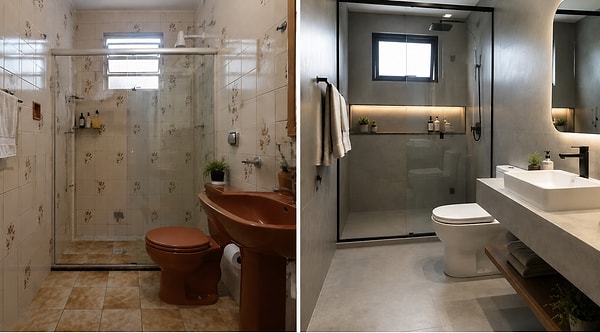
While traditional ceramic replacement can take weeks, the renovation process with new generation coating methods can be completed within just 2 to 5 days.
There are a few conditions for implementing this practical method: The original tiles should not have deep cracks, should not be dislodged, and there should be no leakage underneath. A solid, clean, and dry floor is more than enough for the transformation.
There are four main materials on the market that can be directly applied onto old ceramics.
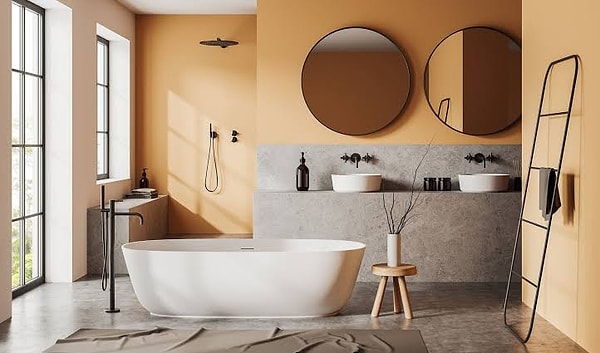
These materials distinguish themselves by their durability, cost, and ease of application. Microcement, the most popular material of recent times, stands out with its ultra-thin structure ranging from 2 mm to 3 mm. It is applied by a skilled professional and offers high durability for over 10 years with regular maintenance. Since it is very thin, it does not alter the level of the floor, eliminating the need to cut doors or frames. This material, which can adhere directly to tiles, ceramics, and even marble, completely eliminates grout lines, leaving no place for dirt and mold to accumulate, thus making cleaning effortless.
For those seeking a more economical and practical solution, epoxy paint comes to the fore. This method, which makes it possible to completely change the color of a 3-square-meter bathroom with a low material cost, is extremely suitable for a 'Do It Yourself' (DIY) style. The lifespan of epoxy paint, which has high resistance to moisture, varies between 3 and 7 years.
For those aiming to break speed records or those living in rental properties, vinyl adhesive tiles and large-format panels offering the elegance of porcelain are among the best alternatives.
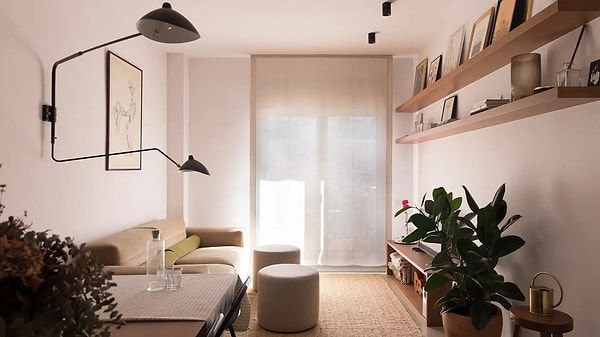
Vinyl adhesives, offering hundreds of different patterns such as marble, stone, and wood, boast a durability lifespan of between 2 to 5 years. Their greatest advantage for renters is the ease with which they can be removed when moving out, without causing any damage to the original wall.
To extend the lifespan of the application and achieve a professional result, it's crucial to pay attention to certain critical details. Prior to application, it's essential that old tile surfaces are thoroughly cleaned with a strong degreaser. Moreover, in shower cubicles constantly exposed to heavy steam and direct water, standard adhesives should be avoided, with waterproof sealed versions being the preferred choice. When placing adhesive panels, a levelling spatula should definitely be used to achieve a smooth surface.
Smart design technologies are proving that the path to a modern home doesn't have to involve demolition and noise. By analysing the condition of your existing walls and selecting the most cost-effective cladding method, you can achieve the bathroom of your dreams in record time.
Keşfet ile ziyaret ettiğin tüm kategorileri tek akışta gör!
 Test
Test
 Gündem
 Magazin
 Video
Video



Send Comment