


Tiny Fruit Packed With Giant Benefits: Why You Should Try Hawthorn


Known for its tart, slightly sweet flavor, hawthorn has been used for centuries to help with digestive problems, heart conditions, and high blood pressure. Thanks to its rich antioxidant content, it may help lower blood pressure and cholesterol, reduce inflammation, and ease digestion.
Here are some of hawthorn’s benefits...


Hawthorn berries contain more fiber, vitamin C, and antioxidants than some common fruits.
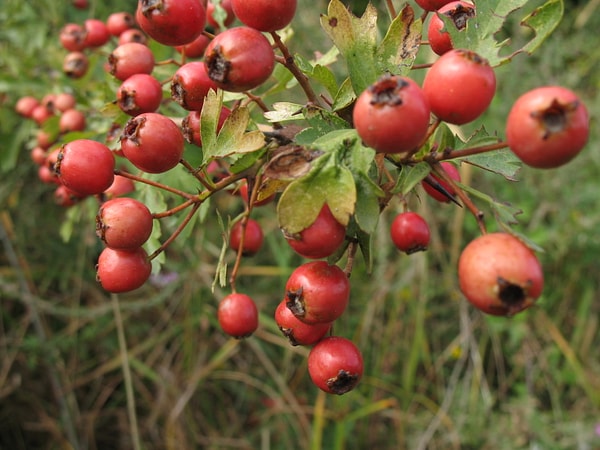
These small fruits, which belong to the genus Crataegus in the rose family, range in color from yellow to deep red. They’re rich in pectin, calcium, and vitamin C. The organic acids they contain help keep vitamin C from being completely destroyed when heated.
More than 170 compounds have been identified in hawthorn. Among the most notable are polyphenols and flavonoids, which help protect cells from free radicals—whose levels rise with exposure to air pollution and cigarette smoke.
Hawthorn may help lower blood pressure and cholesterol.
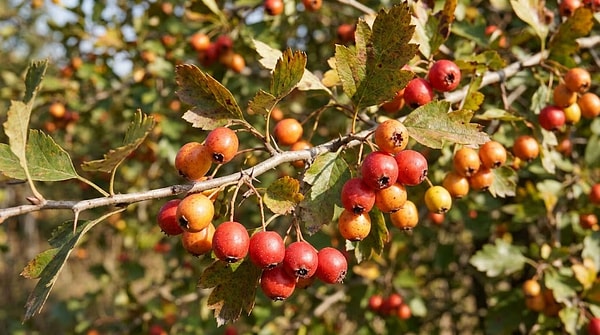
In traditional Chinese medicine, hawthorn is one of the foods most commonly recommended for high blood pressure. A 2020 review reported that hawthorn, taken as tablets or liquid drops, lowered blood pressure in people with borderline or mildly elevated readings, with no serious side effects observed. In a study of people with type 2 diabetes, those who took 1,200 mg of hawthorn extract daily saw a significantly greater drop in diastolic blood pressure than those given a placebo.
Thanks to its flavonoids and pectin, hawthorn extract may also help lower total cholesterol and LDL (“bad”) cholesterol.
Fiber supports digestion and feeds beneficial bacteria in the gut.

Hawthorn has been used for centuries, particularly to relieve indigestion and stomach pain. The fiber in the fruit can help ease constipation and acts as a prebiotic, nourishing beneficial bacteria in the gut.
Phenolic compounds in hawthorn—especially phenolic acids—play an important role in digestion. Herbal preparations and extracts made with hawthorn have been found to improve bowel movements.
Hawthorn berries can be eaten fresh, and they’re also used to make tea, jam, and vinegar.
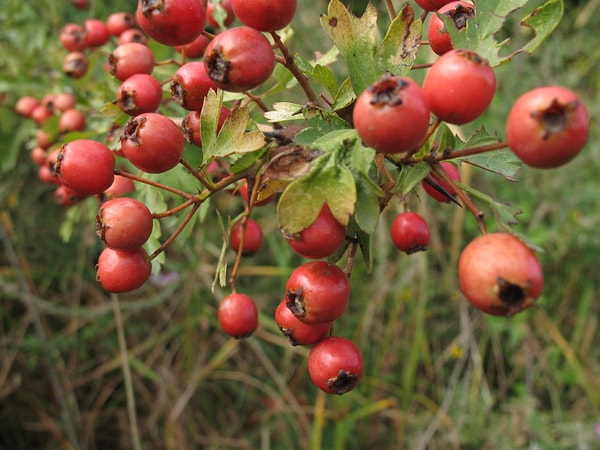
Fresh hawthorn has a tart, slightly sweet flavor. Its dried fruit, flowers, and leaves can be brewed into tea, while the fruit is also used in jams, syrups, and desserts. Like apple seeds, hawthorn seeds contain toxic cyanide, so they should not be eaten.
Hawthorn vinegar offers nutritional benefits thanks to its aromatic compounds and high levels of bioactive phenolics. Hawthorn-based drinks are also flavorful and nutrient-rich, though highly acidic.
People taking heart medication should consult their doctor before starting a hawthorn supplement.

Hawthorn has few known side effects, and those that do occur are generally mild to moderate. Nausea, dizziness, and digestive problems may occur.
However, hawthorn can interact harmfully with certain heart medications. Anyone taking heart medication should consult their doctor before starting a hawthorn supplement.
Keşfet ile ziyaret ettiğin tüm kategorileri tek akışta gör!
 Test
 Gündem
 Magazin
 Video



Send Comment