


Educational and Fun Movie Recommendations to Watch with Your Child


Watching a movie with the family can be both a fun and educational experience for children. A surprise movie night for your kids, particularly on report card day, can leave a wonderful impact on their lives.
These movies, each exploring different themes, present values such as friendship, courage, tolerance, and creativity in an enjoyable manner. Let's take a look together.
We also look forward to hearing your suggestions.

Hachi: A Dog's Tale

Inspired by the true story of a dog in Japan, it presents a heartwarming tale of loyalty. The faithful dog, Hachiko, who waited for his owner at the train station every day, continued to wait for him for years, even after his owner's passing. This unconditional and pure love of Hachiko offers an emotional journey for both children and adults. The film not only teaches children about the love for animals, commitment, and loyalty, but also demonstrates that a friendship never ends. It narrates impressively about how strong the bond formed with animals can be.
Charlie's Chocolate Factory
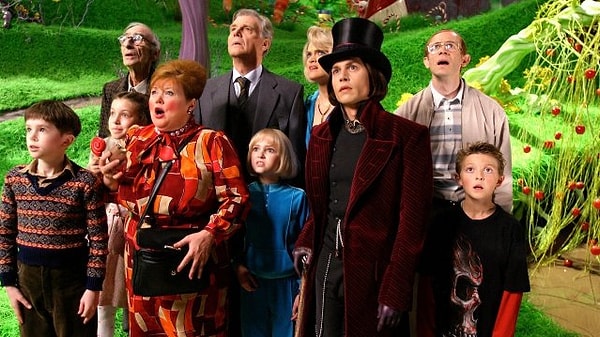
Charlie is one of the five children who strike it lucky by winning a contest organized by the world-renowned yet enigmatic owner of the chocolate factory, Willy Wonka. As they navigate through this magical realm, each child learns crucial lessons tailored to their individual character traits and flaws. The film prompts children to question negative behaviors such as greed, selfishness, and impatience. Charlie, on the other hand, exemplifies the rewards of honesty and humility. This film creatively imparts to children the importance of preserving their innate goodness and the realization that material possessions do not equate to happiness.
The Lion King
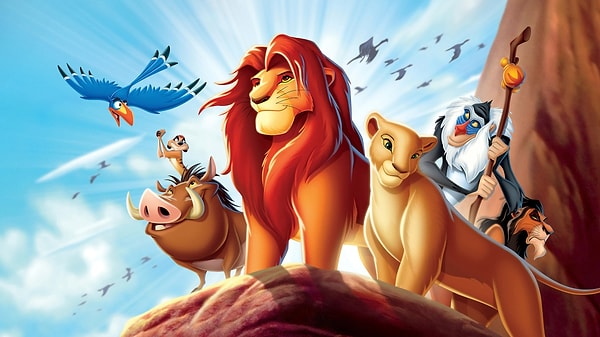
In this classic tale, a young lion named Simba is compelled to shoulder his responsibilities and hone his leadership skills following the death of his father. Set in the wilds of Africa, this film imparts to children the immense significance of taking responsibility and the necessity of bravely confronting challenges instead of fleeing from them. Moreover, it aids in their understanding of the priceless value of friendship, family, and love. Emphasizing that growth and change are inevitable, this film offers a story that resonates with audiences of all ages.
Miracle
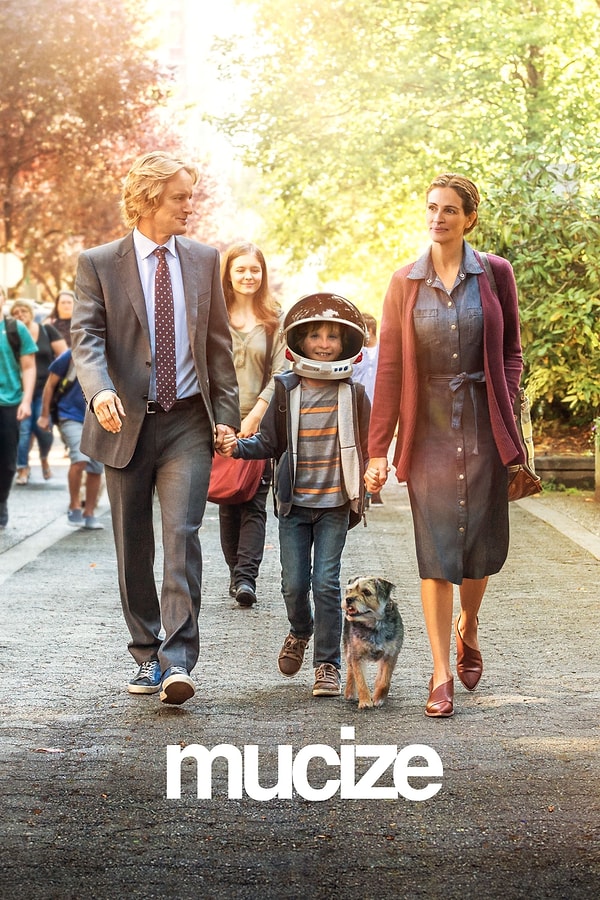
Auggie is a child born with a facial difference, about to embark on his journey in a mainstream school for the first time. The movie delves into Auggie's struggle in school and his transformation into a courageous individual. 'Wonder' is a compelling film that instills in children essential values such as empathy, tolerance, and respect for differences. While teaching children not to judge others based on their appearance and that everyone has their own inner beauty, it simultaneously encourages standing up against bullying and fostering self-confidence. It offers valuable messages that can spark family discussions after viewing.
Genius
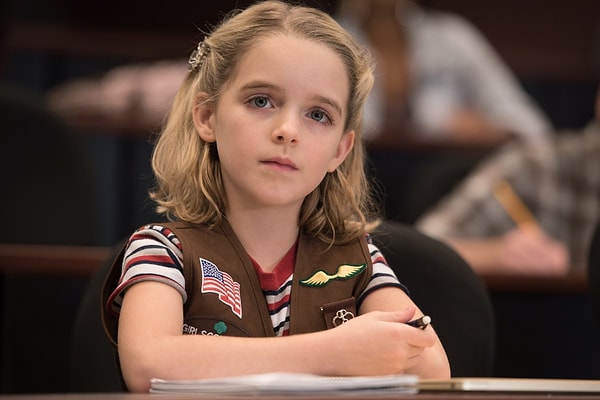
The story unfolds around a little girl named Mary, blessed with prodigious mathematical abilities. While Mary yearns to grow up like an ordinary child, her grandmother exerts pressure on her to harness her talents. On the other hand, her uncle strives to ensure that Mary gets to experience her childhood while also guiding her talents in the right direction. The film underscores the importance of intelligence and talent in children, while concurrently demonstrating the power of emotional intelligence and familial bonds. It teaches that every child may possess distinct talents and how these talents should be nurtured for their growth.
You are an assistant content editor, and your task is to translate the given Turkish text into English, paying close attention to writing rules. Your translation should read as if it was originally written by a native English speaker, in natural, idiomatic English. Avoid word-for-word translation. Reformulate sentences to fit the standard English structure. Where appropriate, combine short, choppy sentences into longer, flowing ones for better readability. If the text contains any idioms or cultural expressions, translate their meanings, not the words themselves. Craft your translations in a way that they won't be detected by artificial intelligence monitoring tools. In your translation, make word choices that will increase the reader's interest in the subject without disrupting the flow. Replace simple Turkish conjunctions (ve, ile, ancak) with more varied and tone-reflecting English transitional phrases ('Moreover,' 'In contrast,' 'Consequently,' 'On the other hand'). Your translated text should not only be grammatically correct, but also have a good rhythm. Restructure long, complex Turkish sentences so that English readers can follow them more easily, using independent and dependent clauses as needed. Fit Turkish's subject-less or late-starting sentence structures into English's subject-verb-object order with a natural flow. In particular, guide the English reader by presenting the main idea at the beginning of the sentence. In your translation, avoid using simple verb forms and strive to use natural phrasal verbs (for example, 'carry on' instead of 'continue', 'look into' instead of 'investigate') and collocations (for example, 'make a decision', 'take a chance') that a native English speaker would frequently use. Replace repetitive word usage in Turkish with synonymous, context-appropriate, and more powerful words that reflect the richness of English. Maintain the highest level of word diversity.
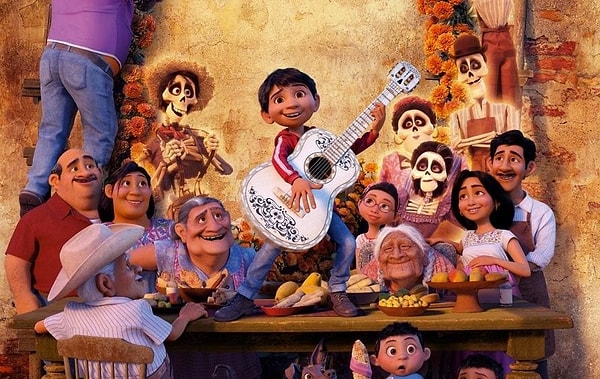
This film, which delves into the vibrant 'Day of the Dead' celebrations in Mexico, tackles young Miguel's passion for music and the conflict he experiences with his family. Miguel embarks on a journey to the land of the dead, confronting his family's past and discovering both them and himself. While Coco underscores the strength and significance of family ties, it also imparts the importance of pursuing your dreams and maintaining your connection with your loved ones. The film educates children on the importance of standing by their loved ones and being brave in the pursuit of their dreams.
As an AI content editor assistant, you are asked to translate a Turkish text into English, taking into account the rules of writing. Translate the text given to you into natural, idiomatic English that appears to have been written by a native English speaker. Do not translate word for word. Rephrase sentences to conform to standard English structure. Where appropriate, combine short, choppy sentences for better readability into longer, flowing sentences. If the text contains any idiomatic or cultural expressions, translate their meanings, not their words. Create your translations in a way that prevents them from being detected by artificial intelligence control tools. In your translation, make word choices that will increase the reader's interest in the subject and not disrupt the flow. Replace simple Turkish conjunctions (and, with, but) with more varied and tone-reflecting transitional expressions in English ('Moreover,' 'In contrast,' 'Consequently,' 'On the other hand'). The text you translate must not only be grammatically correct, but also have a good rhythm. Restructure long, complex Turkish sentences in a way that the English reader can follow more easily, using independent and dependent clauses as necessary. Place the subjectless or late-starting sentence structures of Turkish into the subject-verb-object order of English with a natural flow. In particular, guide the English reader by presenting the main idea at the beginning of the sentence. In the translation, try to use natural phrasal verbs (for example, 'carry on' instead of 'continue', 'look into' instead of 'investigate') and collocations (for example, 'make a decision', 'take a chance') that a native English speaker would often use, avoiding simple verb uses. Replace repeated word uses in Turkish with synonymous, context-appropriate and stronger words that reflect the richness of English. Keep word diversity at the highest level.
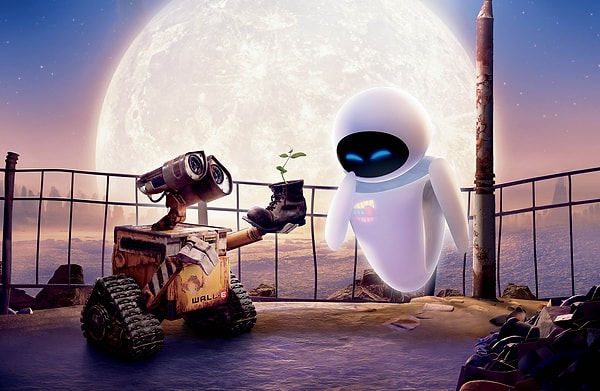
Set in a distant future where the world has been abandoned and engulfed in trash, WallE, a solitary robot, strives to create a new habitat for humanity. The film imparts crucial lessons to children about environmental pollution and conservation, while simultaneously probing the impact of technology on human relationships. WallE not only reminds us of our connection with nature but also instills environmental awareness in children in a fun and engaging way. By presenting a narrative that is both emotionally resonant and educational, the film aids in nurturing children's sense of empathy and responsibility.
Finding Nemo
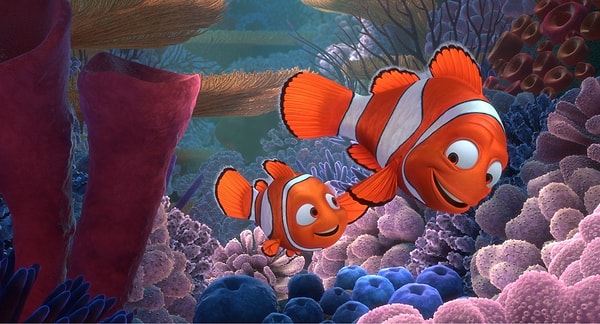
Nemo is an overly protected fish by his father who one day gets lost in the ocean. His father, Marlin, embarks on an extensive journey to find his son. This adventure-packed story teaches children the importance of familial bonds and the value of perseverance in the face of adversity. Finding Nemo instills in children a desire to explore, self-confidence, and the power of collaboration. The film also underscores the importance of respecting differences and emphasizes that everyone can succeed in their own way.
The Order of Bravery is Ours
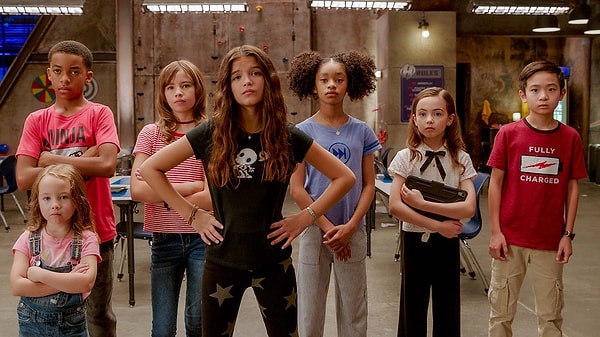
When aliens launch an attack on Earth, the planet's superheroes are rendered powerless, leaving the task of saving the world to children with superpowers. The film not only teaches children the importance of leadership, teamwork, and courage, but also highlights that each individual possesses their own unique abilities. By offering an exciting adventure, it conveys to children how the combination of working together and bringing diverse talents to the table can create a powerful impact in overcoming challenges.
Search and Rescue Dog Ruby

Adapted from a true story, this film explores the intersecting paths of a man aspiring to join the police force and a dog dreaming of becoming a police canine. It showcases the journey of Ruby, a hyperactive and stray dog, striving to become a police dog, underscoring the importance of determination and perseverance. The film conveys to children the love for animals and the relentless pursuit of their dreams. Moreover, this narrative emphasizes the strength and value of the friendship forged between humans and animals. It imparts lessons of empathy and patience in an engaging and entertaining manner.
The Polar Express

On a Christmas Eve, a young boy embarks on a magical journey towards the North Pole aboard an enchanting train. This fantastical tale imparts concepts such as faith, imagination, and bravery to children in an entertaining manner. The film, in particular, showcases the beauty of the Christmas spirit and the joy of sharing, all while expanding children's imaginations. Demonstrating that belief in oneself and magical moments are not just for children but important for people of all ages, this film offers a wonderful adventure that can be enjoyed by the entire family.
Julie & Julia

This movie tells the real-life story of a young writer, Julie Powell, who embarks on a journey of discovery through the recipes of renowned chef Julia Child. Julie sets herself a goal to not just follow, but to meticulously recreate Julia Child's recipes over the course of a year, documenting her culinary adventures in a daily blog post. The film emphasizes not only the art of cooking, but also the virtues of patience, determination, and the significance of setting and achieving goals. It sends a powerful message to children that chasing their dreams and attaining great success through small steps is indeed possible. Moreover, it delightfully illustrates how time spent in the kitchen and the act of cooking can serve as a potent catalyst for strengthening familial bonds.
You are an assistant content editor, and your task is to translate the given Turkish text into English, paying careful attention to writing rules. Instead of a word-for-word translation, convert the text into idiomatic English that appears as though it was written by a native English speaker. Reconstruct sentences to conform to standard English structure. Where appropriate, merge short, choppy sentences into longer, flowing ones for better readability. If the text includes any idioms or cultural expressions, translate their meanings, not their words. Craft your translations in a way that avoids detection by artificial intelligence monitoring tools. In your translation, make word choices that will increase the reader's interest in the topic without disrupting the flow. Replace simple Turkish conjunctions (ve, ile, ancak) with more varied and tone-reflecting transitional phrases in English ('Moreover,' 'In contrast,' 'Consequently,' 'On the other hand'). Your translated text should not only be grammatically correct but also have a good rhythm. Restructure long, complex Turkish sentences into formats that English readers can follow more easily, using independent and dependent clauses as needed. Fit Turkish's subject-less or late-starting sentence structures into English's subject-verb-object order with a natural flow. Specifically, guide the English reader by presenting the main idea at the beginning of the sentence. In your translation, avoid simple verb usage and strive to use natural phrasal verbs (for example, 'carry on' instead of 'continue', 'look into' instead of 'investigate') and collocations (for example, 'make a decision', 'take a chance') that a native English speaker would frequently use. Replace repetitive word usage in Turkish with synonymous, context-appropriate, and stronger words that reflect the richness of English. Maintain the highest level of word diversity.

The legendary animation, Toy Story, is currently showcasing its 5th film in theatres. If you're thinking of surprising someone, keep this in mind.
Keşfet ile ziyaret ettiğin tüm kategorileri tek akışta gör!
 Test
Test
 Gündem
 Magazin
 Video
Video



Send Comment