


Cheap Trick Causes Disaster: Dish Soap Added to Concrete Mix Weakens Buildings


In today's economic climate, while reducing construction costs and preserving the budget is of paramount importance, resorting to cheaper alternatives can lead to irreparable damages. It has been revealed that the method of adding dish soap to the concrete mix, aiming to create air bubbles and ease the handling of the mortar, results in significant strength loss in structures and long-term risks of collapse.
This practice, which appears to be a practical and cheap solution, is said to jeopardize the structural safety by disrupting the chemical composition of the concrete.

The traditional or hearsay knowledge of mixing household cleaning detergents into concrete is causing these critical issues on the structure:
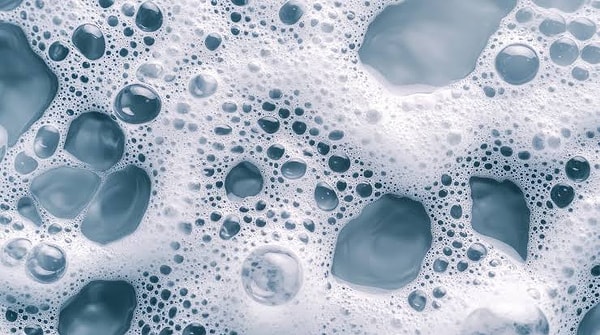
Detergents create irregular and uncontrolled air bubbles within concrete. Over time, these large bubbles either combine or collapse, which reduces the pressure resistance of the concrete. This situation poses a significant accident risk, especially for load-bearing columns or areas open to vehicle traffic.
Dish soap destabilizes the consistency of the mortar. The mixture can become extremely fluid one day and harden the next. This complicates the placement of concrete and finishing processes, particularly in hot weather and large pours.
The foam provided by the detergent cannot maintain its stability during the curing (hardening) stage. Even if it appears problem-free in initial tests, a brittle final structure that cannot withstand post-pour freeze/thaw cycles emerges.
The scent, dye, and surfactants found in detergents are not compatible with cement chemistry. These substances cause color distortions in the concrete, salting, and delays in the setting (freezing) times.
Industry representatives emphasize that such interventions, initially made for the purpose of saving a few dollars, not only shorten the lifespan of projects, but also damage the commercial reputation of craftsmen and businesses.
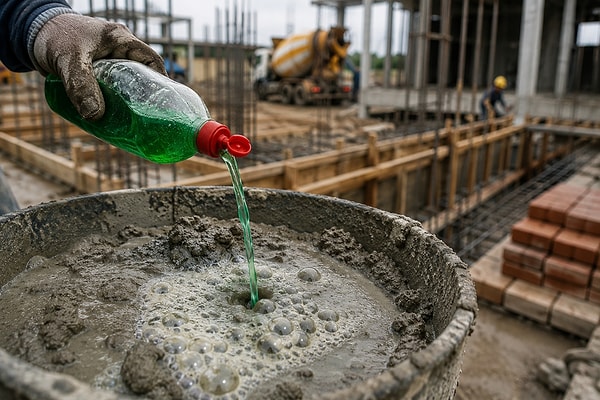
If outdoor and load-bearing concrete applications require air entrainment, it is stated that commercially produced and tested additives specific to cement chemistry (for instance, suitable air-entraining chemicals) should be utilized.
Keşfet ile ziyaret ettiğin tüm kategorileri tek akışta gör!
 Test
Test
 Gündem
 Magazin
 Video
Video



Send Comment