


Avustralya’nın istilacı türlerle olan imtihanı biyoloji dünyasının en bilinen ibret öykülerinden biridir.


In 1859, a British farmer's 'passion for hunting' led to the release of 24 European rabbits into the wild, which eventually resulted in one of the most devastating ecological disasters in Australian history. Over the years, the rabbit population exploded to a staggering 600 million, wreaking havoc on the continent's ecosystem and economy.

Australia's struggle with invasive species is one of the most well-known cautionary tales in the world of biology.
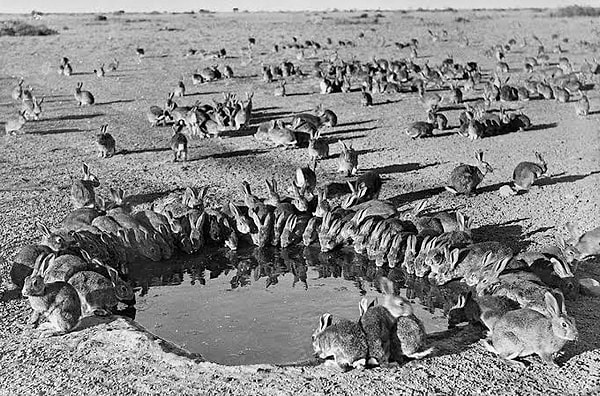
From the absurd 'Emu Wars' where soldiers grappled with flightless birds, to the crisis of poisonous cane toads, the continent has weathered a multitude of crises. However, the most significant blow came in the mid-19th century. Thomas Austin, a farmer who longed for England and desired to hunt as a hobby on his farm, released 24 wild and domesticated rabbits on his Barwon Park property in Victoria on Christmas Day in 1859. This seemingly innocuous sporting gesture by Austin sparked an unstoppable crisis across the continent.
Following their release, the rabbit population spiraled out of control in a short span of time due to their exponential increase.
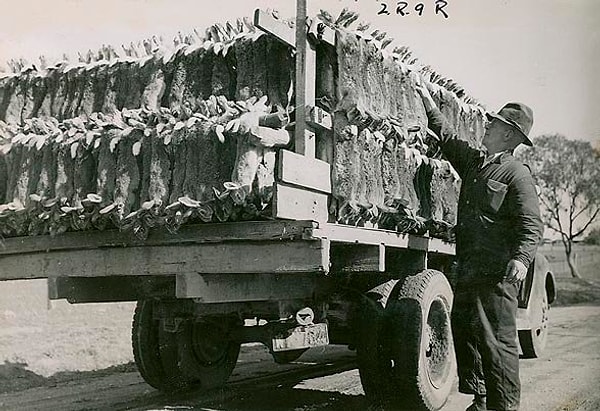
Despite the fact that over 14,000 rabbits were hunted and killed just seven years after their initial release on Austin's farm, the spread could not be curbed.
The population, which spread like an avalanche across Southeast Australia, advanced at an astonishing speed of 100 kilometers per year, according to a study published in the Proceedings of the National Academy of Sciences (PNAS) in August 2022. The biological factors behind this incredible success of the rabbits were as follows:
Non-stop Breeding: The mild winters of Australia allowed for year-round reproduction.
Extreme Biological Speed: Female rabbits, capable of giving birth to nearly 30 offspring per year, could become pregnant again just a few hours after giving birth following approximately a 30-day pregnancy. The newborns reached sexual maturity in 34 months.
Lack of Natural Predators: Local predators like dingoes or birds of prey were numerically insufficient to control a species multiplying at this rate.
Abundance of Food and Space: Lands cleared for agriculture provided ideal living spaces for rabbits.
The government was compelled to intervene for rabbits, which not only consume crops and cause soil erosion, but also encroach on the habitats of native species like bilbies and bandicoots.
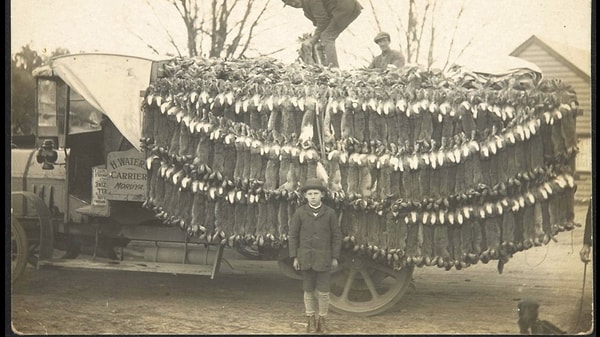
The Royal Commission, in a radical decision, constructed a massive barrier to halt the invasion.
Completed in 1907 and known as the 'Rabbit-Proof Fence', this structure stretched over 3,200 kilometers across Western Australia. However, the fence couldn't completely stop the disaster, only slowing it down, due to the rabbits burrowing under it and the difficulties in maintaining the barrier.
Even Viruses Couldn't Help: The Battle Still Continues
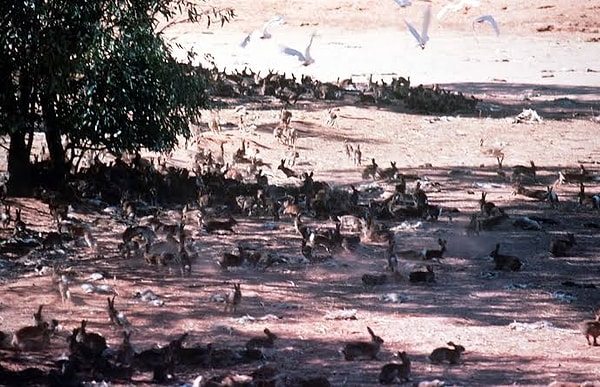
Biological weapons were employed in the battle against rabbits:
1950s: The Myxomatosis virus was released. The population initially plummeted significantly, but over time, rabbits developed resistance to the virus.
1990s: The Calicivirus (RHDV) was introduced, but this only provided temporary relief.
Genetic research indicates that the first 24 rabbits released into the wild by Austin in 1859 possessed unique genetic traits that made them exceptionally suited to surviving in Australian conditions.
At their peak, the population of this invasive species reached a staggering 600 million. However, thanks to the measures taken, their current population has been reduced to just over 150 million.
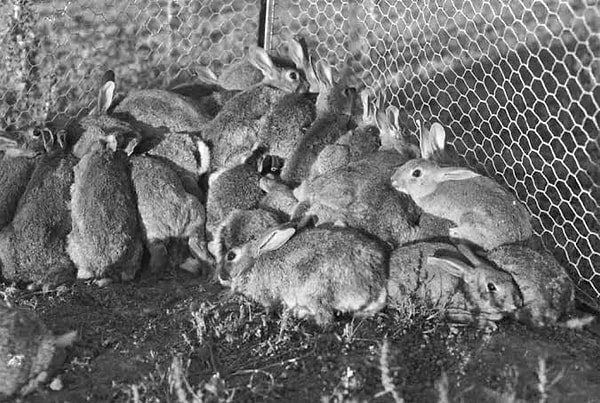
Despite methods such as poisoning, burrow destruction, and hunting, rabbits remain a serious threat.
European rabbits, which cause erosion, destruction of vegetation, and loss of biodiversity, continue to inflict more than 200 million dollars of agricultural and environmental damage to the Australian economy each year. The story that began with Thomas Austin's passion for hunting stands in history as concrete evidence of how severe the consequences of mankind's thoughtless interventions in nature can be.
Keşfet ile ziyaret ettiğin tüm kategorileri tek akışta gör!
 Test
Test
 Gündem
 Magazin
 Video
Video



Send Comment