


30 Birds Were Released into the Wild, but Only One Survived the Harsh Forest


A high-budget conservation project launched in Spain to save the endangered Cantabrian capercaillie has been met with a harsh reality in the mountains. Of the 30 birds, which were bred and released into the wild at a cost of approximately 5 million euros ($5.8 million), 29 have perished within six months.
The sole surviving female was bred at the Valsemana breeding center under the Autonomous Community of Castile and León, and released into the wild at the Alto Sil Bird Conservation Area.

After approximately a 180-day monitoring period, the survival rate remained at 3.4%.
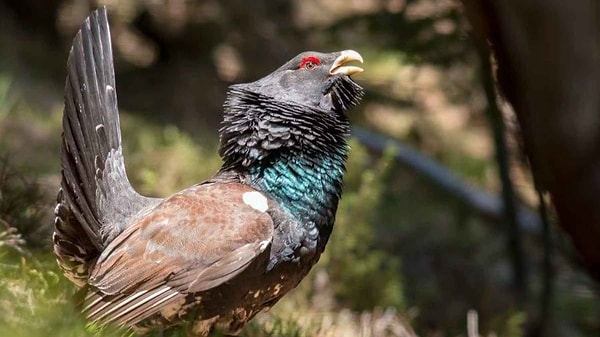
Experts indicate that the mass losses are not due to a single cause, but stem from the vulnerability of birds raised in captivity against predators in the wild.
The main factors behind the deaths are listed as follows: Foxes: They caused the greatest loss by leading to the death of 12 birds.
Birds of Prey: They were held responsible for the death of 6 birds.
Weasels: They ended the lives of 4 birds.
Other Factors: In the remaining losses, the exact cause could not be determined.
Experts underscore that the project should not be viewed as a complete failure.
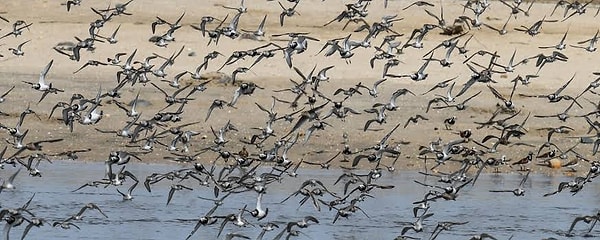
Researchers have pointed out that birds born in captivity lack knowledge on where to hide, how to avoid open spaces, or perch in high places. They regard this process as a critical 'pilot project' for future studies.
In light of the data gathered from the project, future releases are planned to include predator awareness training for the birds, modifications to cage designs, and a reassessment of timing.
On a brighter note, the successful flights within the area and visits to breeding zones by the sole surviving female bird offer a glimmer of hope for researchers. Despite the harsh lessons learned, efforts to save this delicate species, whose total population is only a few hundred, will continue.
Keşfet ile ziyaret ettiğin tüm kategorileri tek akışta gör!
 Test
Test
 Gündem
 Magazin
 Video
Video



Send Comment