


Work After Retirement? You Might Lose Your Pension!


In Turkey, millions of citizens continue to work after retirement. As this number increases day by day, the Social Security Support Premium (SGSP) application is one of the most curious and confusing topics during this process. However, contrary to popular belief, not every retiree can benefit from the double salary advantage while working. Social Security Institution expert Özgür Erdursun made a critical warning for retirees who continue to work in his column in Dünya newspaper.


What is the Social Security Support Premium (SSSP) and who does it cover?

The Social Security Support Premium (SSSP) is a special premium model applied when citizens who have been granted a retirement pension start working again in an insured job. The biggest advantage of this system is that there is no deduction from the retiree's existing salary. While the retired personnel continues to work, the employer pays the support premium on their behalf to the Social Security Institution (SSI). However, there is a critical date limit to benefit from this privilege.
Bad news for those insured after October 1, 2008.

The date of October 1, 2008, when the Law No. 5510 came into effect, is considered a milestone in the working life after retirement. Individuals who are registered as insured for the first time after this date face a significant loss of rights if they enter a job again after retirement.
The pension payments of these individuals are completely cut off from the first payment period following the date they started working. Since the SGDP system is not applied for this group, it is not legally possible to both receive a retirement pension and work at the same time. During this process, short-term, long-term, and general health insurance premiums are collected from individuals just like a regular employee. When they leave the job, their pensions are recalculated considering the current premium payments and reconnected.
Those who entered before 2008 maintain the double salary advantage.
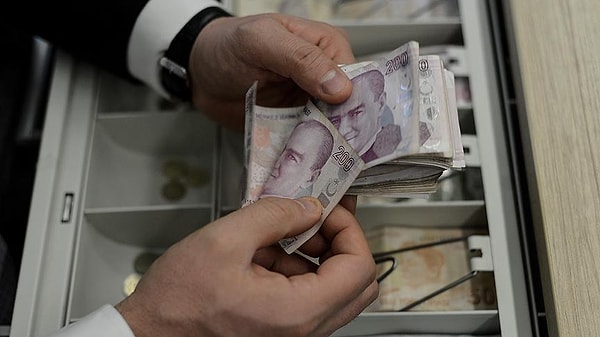
The old system remains valid for those whose first insurance start date is before October 1, 2008. Citizens in this status continue to receive their retirement pensions without interruption even if they start working in a workplace with a service contract (4/a) after retirement. The employer is responsible for fulfilling the 32% SGDP (Social Security Institution Premium) obligation for these employees. No extra deduction is made from the retiree's pocket or salary.
Other exceptions and special situations in post-retirement work life are listed as follows:
No deductions are made from the pensions of retirees who engage in agricultural activities in their own name, and SGDP provisions are not applied to these individuals.
According to Law No. 5335, the salaries of retirees who started working in public institutions after January 1, 2005 are directly cut, excluding exceptional positions. No SGDP right is granted for public employees.
Thanks to the regulation made in 2012, citizens who retire by purchasing foreign service debt can now work in Turkey without having their salaries cut within the scope of SGDP.
No SGDP is deducted from retirees employed by Turkish employers in countries without a social security agreement; only short-term insurance and health premiums are paid.
According to an article by SGK (Social Security Institution) expert Özgür Erdursun, one of the most frequently asked questions by working retirees is whether these paid premiums will lead to a salary increase or a new retirement right in the future. According to legal regulations, premiums paid within the scope of SGDP are not added to the insurance period, are not taken into account in service consolidations, and are not refunded in bulk.
Keşfet ile ziyaret ettiğin tüm kategorileri tek akışta gör!
 Test
Test
 Gündem
 Magazin
 Video
Video



Send Comment