


Where to Visit in Ankara for NATO Summit? 15 Places to Feel the History of the Capital


Ankara is not just the capital of Turkey; it's a city that more than deserves to be explored, with its thousands of years of history, deep-rooted culture, and iconic structures. These routes, extending from ancient ruins to magnificent museums, from historical streets to impressive monuments, will allow you to step by step experience Ankara's past. Here are 15 historical and cultural stops you absolutely must see in the capital...

Anıtkabir
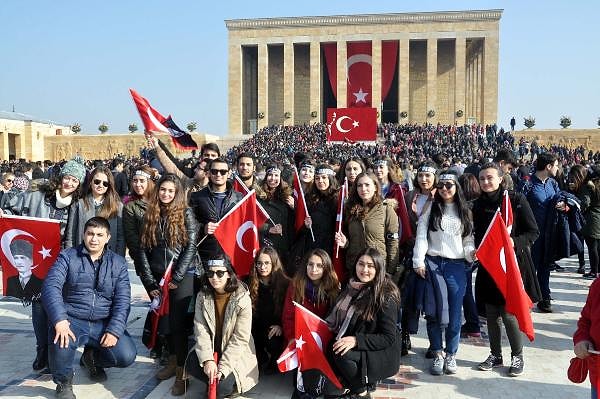
Anıtkabir, the eternal resting place of Mustafa Kemal Atatürk, the founder of the Republic of Turkey, stands as the most significant architectural symbol of modern Turkey. The 262-meter-long Road of Lions, adorned with 24 lion statues symbolizing strength and peace, greets the visitors. The Ceremony Square, designed with extraordinary engineering, and the Hall of Honor housing a 40-ton monolithic marble mausoleum, provide visitors with deeply emotional experiences. Additionally, the War of Independence Museum within the premises faithfully reflects the years of national struggle.
The Museum of Anatolian Civilizations
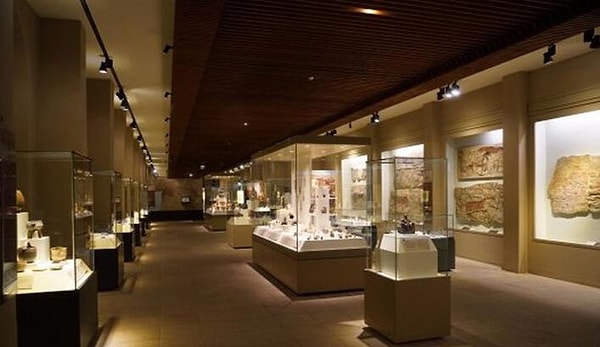
Nestled at the foot of Ankara Castle, within the walls of a historic inn, this institution stands as one of the world's most prestigious museums in its field, illuminating the history of Anatolia for over a century. The collection, spanning from the Paleolithic era to the Roman period, showcases invaluable artifacts such as the renowned Bronze Tablet of the Hittites, the Inandik Vase, and the iconic 'Seated Woman (Cybele)' statue attributed to the Phrygians.
The Citadel of Ankara and the Historic Samanpazarı
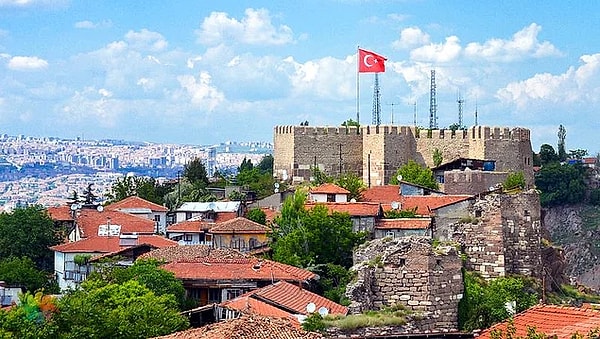
Ankara Castle, where the city's historical evolution can be traced without interruption, boasts a unique panoramic view that allows you to observe the city in a full 360-degree sweep. Nestled within its walls, narrow streets are home to traditional wooden houses, antique shops, and small workshops. At the foot of the castle, the Samanpazarı district offers a nostalgic shopping and sightseeing experience with its spice merchants, shops selling hand-woven carpets, and authentic cafes.
Rahmi M. Koç Museum (Çengelhan and Safranhan)
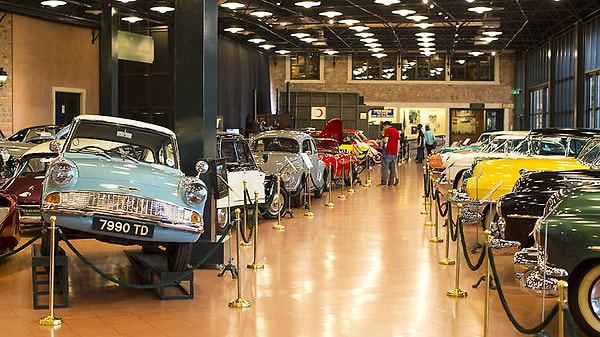
This complex, which is Ankara's first and most comprehensive industrial museum, operates within the historic Çengelhan and Safranhan buildings dating back to the 1500s. The museum, which also houses the shop where Vehbi Koç commenced his commercial life, displays thousands of industrial and nostalgic objects ranging from maritime to aviation, medicine to toy collections, all set in the ambiance of a historic caravanserai.
Ankara Roman Bath (Caracalla Bath)
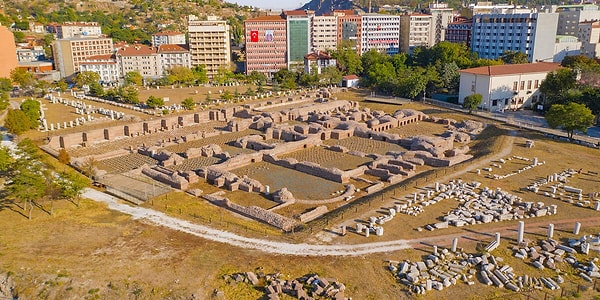
Situated in the Ulus district and commissioned by the Roman Emperor Caracalla in the 3rd century in honor of the God of Health, Asklepios, this vast open-air museum is a magnificent testament to ancient engineering. In particular, hundreds of brick columns that supported the hot air ducts (the hypocaust system) under the bathhouse have remarkably stood the test of time. Moreover, the site also bears traces from the Phrygian, Byzantine, and Ottoman periods.
Haci Bayram Veli Mosque and Temple of Augustus
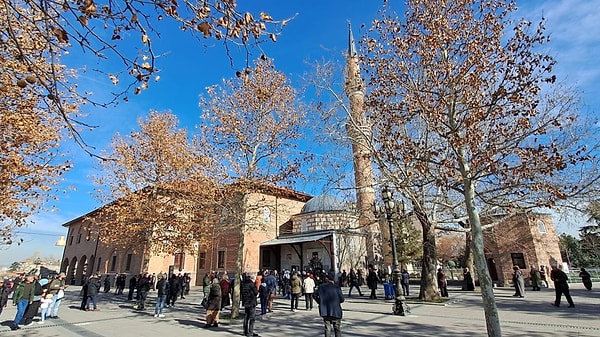
It serves as a prime example of how diverse beliefs and cultures can harmoniously converge in the same square. The legendary temple wall, built in the 20s BC and inscribed with the achievements of Roman Emperor Augustus, stands back-to-back with the tomb and mosque of the 15th-century mystic, Haci Bayram Veli. This area is a shared attraction for those seeking spiritual tranquility and enthusiasts of ancient history.
War of Independence Museum (First Grand National Assembly of Turkey Building)
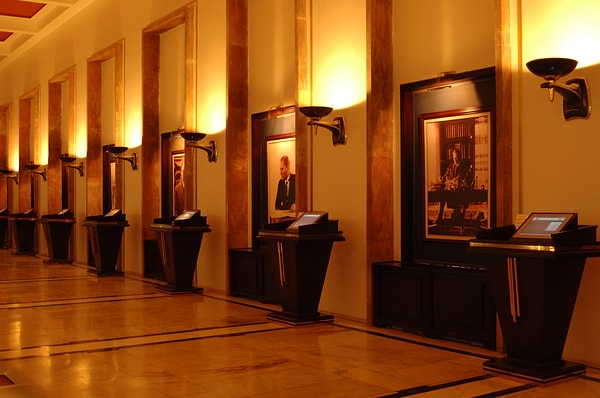
This is the First Parliament building where the foundations of the Republic were laid and the War of Independence was managed. In this remarkably modest historical structure, personal belongings narrating the hardships of the National Struggle era, telegraph devices, the first Turkish flag raised in the parliament, and the table where the Treaty of Lausanne was signed, which are some of the most critical artifacts of Turkish history, are on display.
The Republic Museum (The Second Grand National Assembly of Turkey Building)
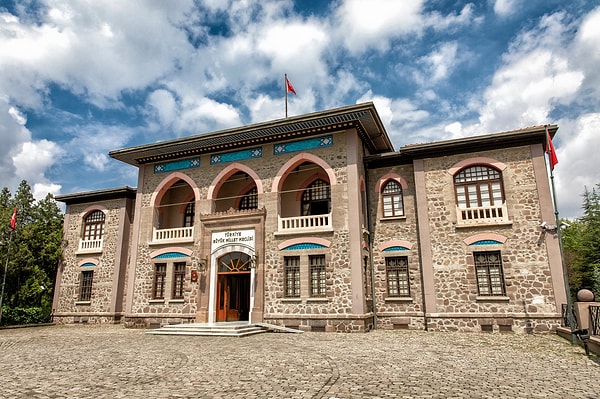
Constructed in response to the inadequacies of the First Parliament, the Second Parliament building is where the reforms of the Republic were implemented. This structure, one of the most elegant examples of early Republican architecture, showcases Turkey's journey of modernization and transition to a multi-party system through its grand general assembly hall and documents that narrate the political life of the era.
Ankara Ethnography Museum
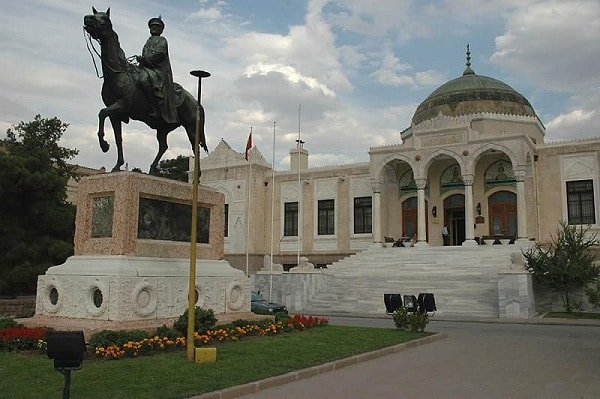
Perched atop Namazgah Hill, this majestic museum holds a very special place in the heart of the city, as it was the resting place of Atatürk's remains for 15 years until the construction of Anıtkabir. The museum showcases magnificent wood carving works from the Seljuk and Ottoman periods, weapons, tiles, and some of the most exquisite cultural assets of the Turkish-Islamic geography.
Historic Hamamonu District
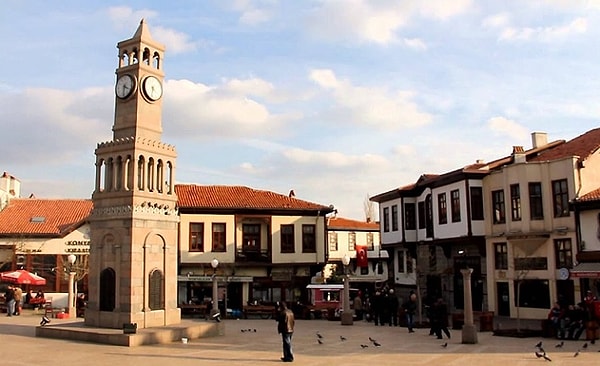
Hamamönü, a district restored and reintroduced to the city by the Altındağ Municipality through their restoration projects, showcases some of the finest examples of 19th century Ottoman civil architecture. This neighborhood, notable for its narrow streets, bay-windowed mansions, and art studios, holds a significant treasure: the historic house where Mehmet Akif Ersoy, the poet of our National Anthem, penned his poetry. Today, this house serves as a museum and can be visited free of charge.
Ulucanlar Prison Museum
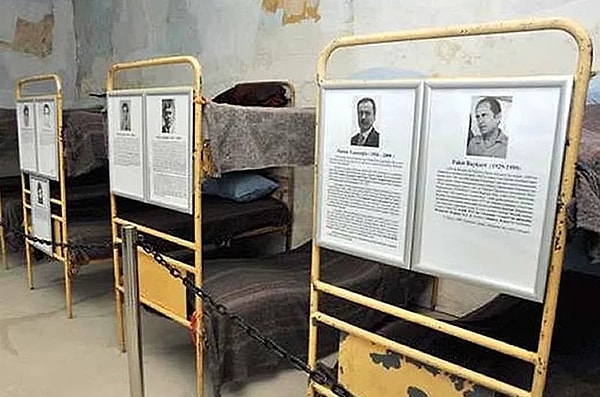
The museum is a transformed version of an old prison that has witnessed some of the most tumultuous political periods in Turkey. Serving as a striking example of 'dark tourism', the museum preserves and exhibits the originality of old dormitories, solitary cells, and personal belongings of renowned journalists, writers, and politicians. This allows visitors to deeply feel the chilling atmosphere of the era.
Swan Park and Tunalı Hilmi Avenue
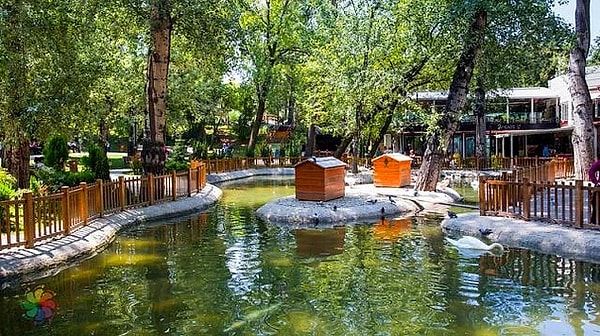
Kavaklıdere district is the pulsating heart of both the neighborhood and the capital's social life. This compact park, renowned for its white and black swans gifted from Vienna and Beijing, serves as the favorite meeting spot for the citizens of Ankara under the shade of massive plane trees. A visit to the park should ideally be complemented with a stroll along Tunalı Hilmi, the most iconic avenue of Ankara, bustling with luxury boutiques and lively cafes.
CerModern Art Center
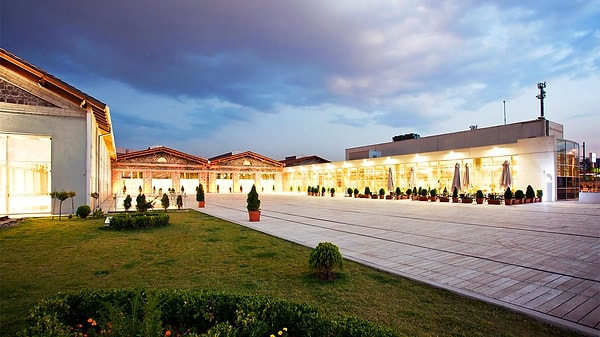
What was once an old train maintenance and repair workshop, with its high ceilings and steel structures intact, has been transformed into a modern art center. This venue, which significantly meets the cultural and artistic needs of Ankara, hosts visionary exhibitions, open-air summer cinema screenings, digital art installations, and concerts in its spacious courtyard throughout the year.
Atakule Observation Deck
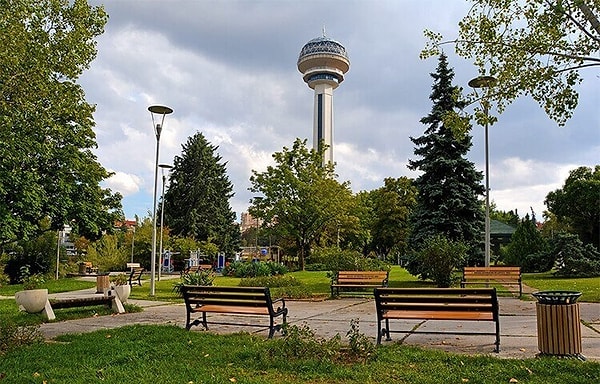
It stands as one of the most prominent symbols of Ankara's modern face. The tower, stretching 125 meters long, is situated at a high altitude in Çankaya, offering visitors the opportunity to view the city from a bird's-eye and panoramic perspective. The modern shopping center located at the base, with its chic restaurants and cafes, serves as a hub of attraction where one can enjoy at any time of the day.
Lake Eymir and Lake Mogan
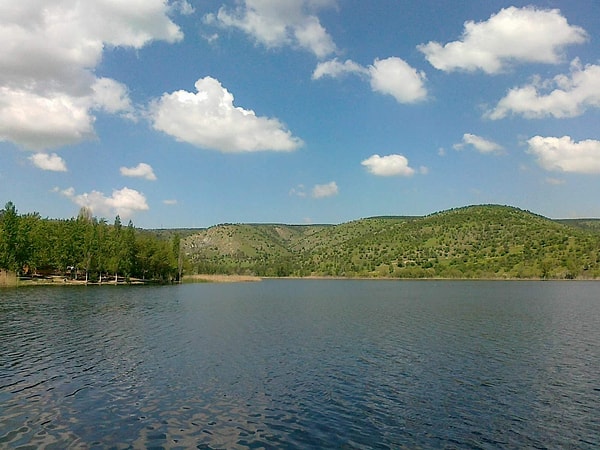
Situated amidst the steppe, Ankara boasts two prominent green-blue oases. Lake Eymir, nestled within the METU campus, offers a flawless ecosystem for cycling enthusiasts and nature walkers, thanks to its restriction on vehicle entry. Just a stone's throw away, the more expansive Lake Mogan serves as a delightful weekend route with its shoreline walking paths, picnic areas, and recreational facilities.
Keşfet ile ziyaret ettiğin tüm kategorileri tek akışta gör!
 Test
Test
 Gündem
 Magazin
 Video
Video
Ankara's Top 10 Dishes for NATO Visitors



Send Comment