


What Is a Kimono? Everything to Know About Japan's Most Iconic Traditional Garment


With its striking patterns and flowing sleeves, the kimono is one of the most recognisable garments in the world. Kimono-style robes and jackets are everywhere in modern fashion, but the traditional Japanese kimono is something more. So what exactly is a kimono, where did it come from, and when do people wear it today? Here is a short guide.


The word kimono simply means "a thing to wear".

The Japanese word combines ki (to wear) and mono (thing). It once referred to clothing in general before becoming the name of this specific garment.
A kimono is made from straight panels of fabric sewn together into a T-shaped robe. It is wrapped around the body, left side over right, and held in place with a wide sash called an obi.
Its history stretches back centuries, and it took its classic form in the Edo period.
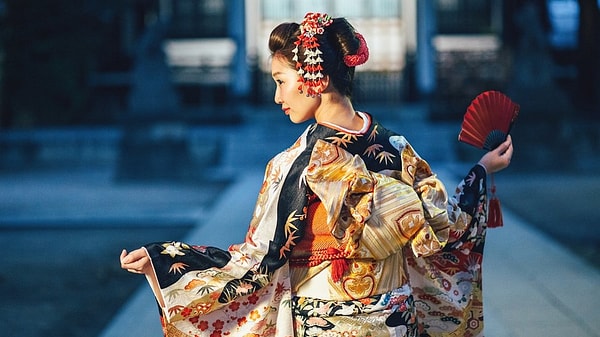
Early Japanese dress was influenced by Chinese clothing styles. Over the centuries the garment evolved, and many of the kimono styles recognised today were refined during the Edo period (1603–1868), when fabrics, dyeing techniques and patterns became an art form of their own.
Patterns and meaning
Kimono designs often draw on nature: cherry blossoms, maple leaves, cranes, flowing water and clouds are classic motifs, and they are traditionally matched to the seasons. The type of kimono can also signal the occasion and the wearer: the furisode, with its long, swinging sleeves, is the most formal style for unmarried women.
Today the kimono is saved for special occasions.
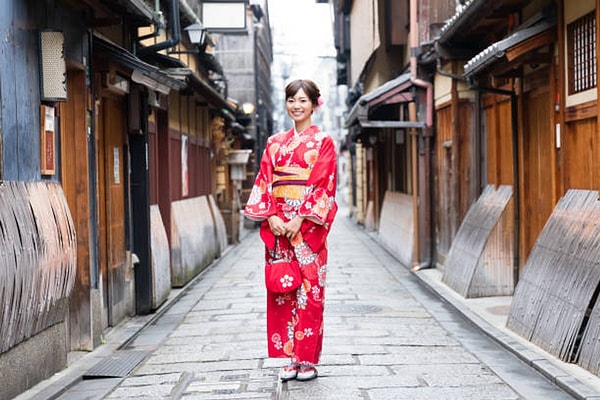
Western clothing gradually replaced the kimono in everyday life, but it remains an important part of Japanese culture. It is worn at weddings, tea ceremonies, coming-of-age celebrations and festivals, while the lighter cotton yukata is a summer favourite.
Common accessories
Obi: the wide sash tied around the waist.
Tabi: split-toe socks worn with traditional footwear.
Zōri and geta: traditional sandals; zōri are flat, geta are raised wooden clogs.
Haori: a jacket worn over the kimono.
Keşfet ile ziyaret ettiğin tüm kategorileri tek akışta gör!
 Test
 Gündem
 Magazin
 Video



Send Comment