


Researchers Mix 84 Tons of Ocean Fishing Nets into Asphalt for Paving Roads


Scientists in Hawaii have embarked on a historic recycling project in the face of the plastic pollution threatening the Pacific Ocean. Tons of fishing nets and plastic waste collected from the sea were processed and used in the production of asphalt.

Under the "Nets to Roads" project, spearheaded by the Hawaii Pacific University's Center for Marine Debris Research, researchers have so far extracted approximately 90 tons of plastic waste from the ocean.
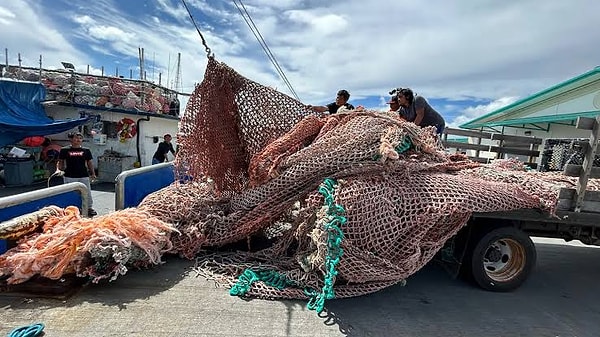
The 84 tons of fishing nets and polyethylene-based waste collected from the gathered materials were recycled to reinforce the island roads.
Under the project, marine biologists collected and separated durable polyethylene plastic found in milk bottles, yogurt containers, and abandoned fishing nets. The plastics, which were broken down into tiny particles, were added to the hot asphalt mixture at road paving facilities in Hawaii and laid on test roads.
During approximately a year-long field study, the environmental impact and durability of roads made from recycled plastic were tested, specifically investigating whether they released microplastics into the environment.
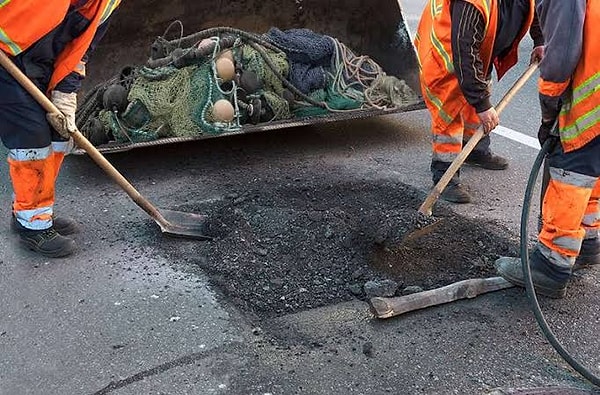
Simulations of rainwater, along with soil and dust analyses, have proven that these roads do not emit any more microplastics than standard asphalt.
Lead researcher Jeremy Axworthy emphasized that they have managed to reduce the cost of transporting waste off the island or filling up landfills. Meanwhile, Co-Director Jennifer Lynch stated, 'This study proves that recycling can truly work when the community prioritizes sustainability.'
Keşfet ile ziyaret ettiğin tüm kategorileri tek akışta gör!
 Test
Test
 Gündem
 Magazin
 Video
Video



Send Comment