


Fresh or Frozen Vegetables: New Study Reveals Surprising Truth


Often, the vibrant green broccoli in the produce section of the supermarket seems superior to the bagged variety in the freezer. However, a two-year study has demonstrated that frozen vegetables are not inferior to fresh ones that have been kept in the fridge for a few days in terms of vitamins. In fact, sometimes they even have the upper hand.
Details can be found in our news story.

Fresh, refrigerated, and frozen products were examined side by side.
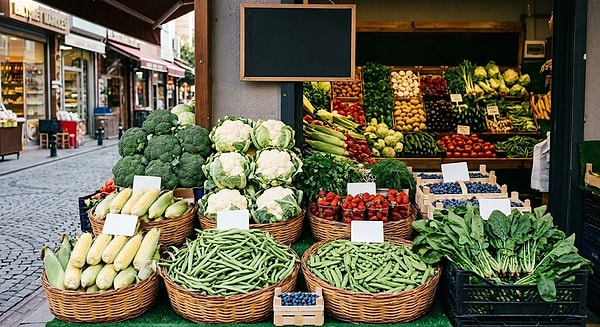
A study published in the Journal of Food Composition and Analysis in 2017 examined broccoli, cauliflower, corn, green beans, peas, spinach, blueberries, and strawberries. Each product was divided into three groups: freshly purchased, fresh but stored in the refrigerator for five days, and frozen.
The five-day waiting period was chosen to reflect consumers' habit of storing the product at home after purchase. The levels of Vitamin C, beta carotene, a precursor to Vitamin A, and folate were measured in the products.
In most comparisons, there was no significant difference in terms of vitamin content.
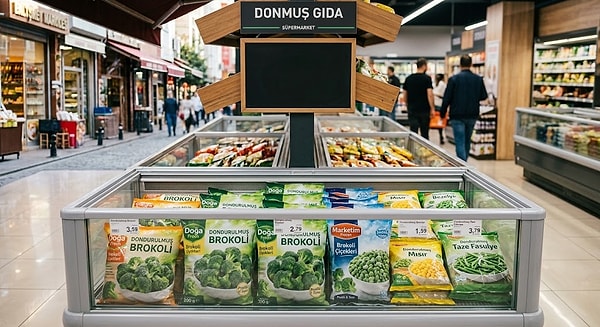
In instances of discrepancy, frozen products often took precedence over fresh ones left in the fridge.
According to researchers, these results do not support the widespread belief that fresh food is significantly more nutritious than its frozen counterpart.
The brief blanching process before freezing does strip away some of the vitamins.
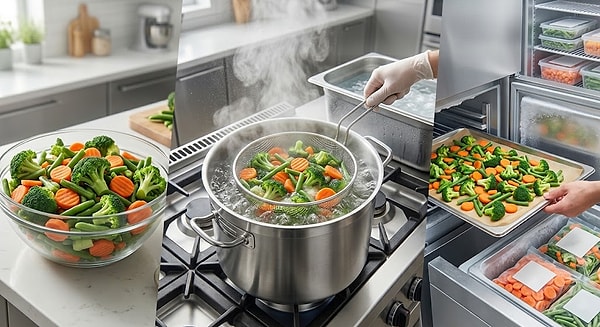
Before freezing, vegetables are briefly blanched in boiling water or steam. The purpose of this process is to slow down or halt the enzymes that control ripening in the vegetables. This is because freezing only slows down the enzymes' activity, it doesn't stop it.
In a study examining over 20 different vegetables, it was observed that up to a third of the vitamin C and more than half of the folic acid was lost during this blanching process. On the other hand, carotenoids were unaffected, and a significant amount of fiber and minerals were preserved.
The reason for the softening of the thawed vegetable is the ice crystals.
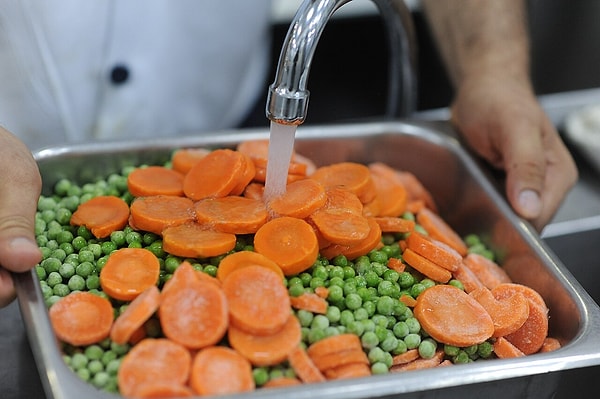
Large ice crystals that form during freezing break down the cells of the vegetable, resulting in a soft, mushy texture when thawed.
However, when the vegetable is quickly frozen and consistently stored at 17 degrees or lower, smaller crystals form.
Keşfet ile ziyaret ettiğin tüm kategorileri tek akışta gör!
 Test
Test
 Gündem
 Magazin
 Video
Video



Send Comment