


Collectors Are After This Coin: It is Valued Estimated 121 Million Dollars!


The world of coin collecting, or numismatics, is buzzing with one of the most significant discoveries of recent years. A seemingly ordinary copper penny featuring Abraham Lincoln, initially mistaken for loose change, has made headlines with a valuation of a staggering 121 million dollars due to a minting error and its historical value. The secret of this rare coin, dubbed by collectors as the legendary penny, lies in its production flaws.
Details below 👇
Source

This money was initially produced with the intention of serving as a memento.
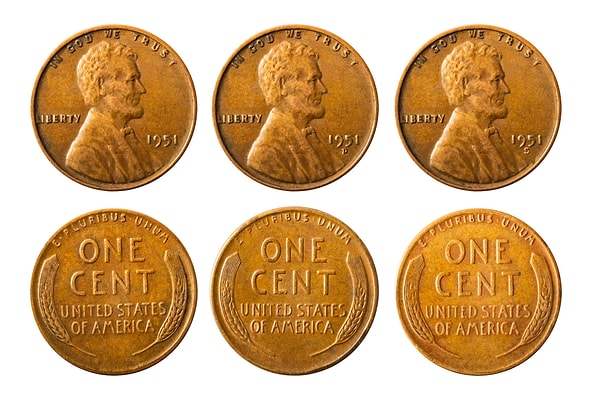
The 'Lincoln Wheat Penny,' first minted in 1909 in commemoration of the 100th anniversary of Abraham Lincoln's birth, was brought to life by the renowned designer Victor David Brenner. On the front of the coin, one can see Lincoln's noble profile, while the reverse features two wheat stalks. Despite millions of these coins being in circulation until 1958, flawed productions from specific years and experiments with special alloys have transformed some examples into priceless works of art.
What Details Make This Money Valuable?
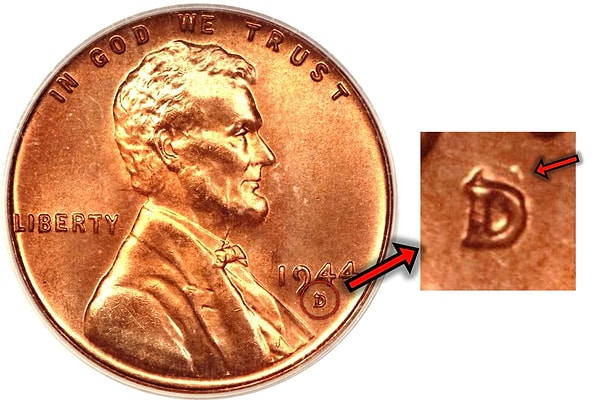
According to experts, there are three fundamental criteria that determine whether a coin is of significant value:
Key Dates: Particularly, the prints from 1909S, 1914D, and 1955 are in high demand. The 'double die' error in 1955 makes the coin legendary among numismatists.
Material Misprints: During the Second World War in 1943, coins were made of steel to conserve copper. However, a few 1943 pennies were mistakenly struck in copper, making them among the most valuable coins today.
1922 'No D' Prints: Despite being minted in Denver, coins with the 'D' letter worn off due to die wear are fetching record prices at auctions.
1909S VDB Signature: This series, bearing the initials of designer Victor David Brenner and minted in limited quantities in San Francisco, is known as the 'key piece' of collections.
Condition and Originality: The wear and tear of the coin and the natural patina (layer formed over time) directly affect its price.
Experts are issuing warnings about the risks of polishing coins.
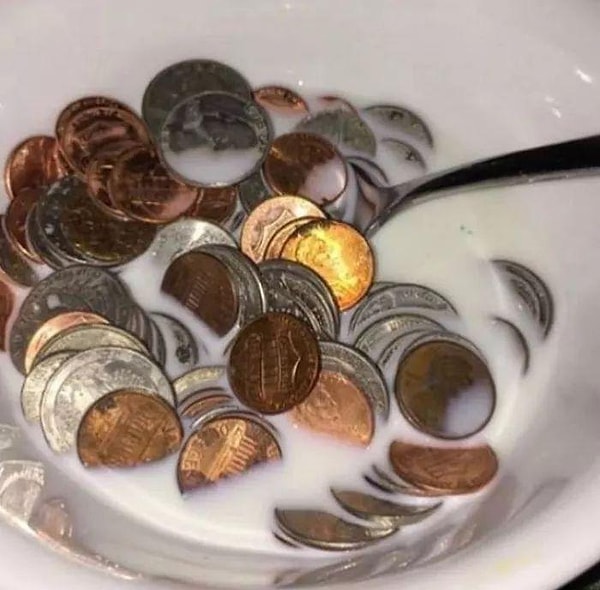
Numismatists are issuing a crucial warning to individuals who believe they possess a rare coin: 'Don't attempt to clean it yourself.' The natural oxidation (patina) on the surface of the coin can increase its value, while polishing it with chemical substances can instantly obliterate its collectible worth.
Particularly, the simplest method to determine the authenticity of a 1943 minted penny is the magnet test. If the coin is not attracted to the magnet, you could potentially be sitting on a fortune.
Keşfet ile ziyaret ettiğin tüm kategorileri tek akışta gör!
 Test
Test
 Gündem
 Magazin
 Video
Video



Send Comment