


Why Do Dogs Do the "Head Tilt"?


When your dog tilts its head while you're talking, it's probably one of the most adorable moments for you. However, this gesture is not merely a display of cuteness; it's backed by real and research-supported scientific mechanisms. The reason why dogs perform this characteristic movement has been the subject of animal cognition researchers over the past decade, and the findings have been quite intriguing.

Is the Sound of Nodding Related to Hearing Better?

One of the most common explanations pertains to auditory cues. Dogs have a different ear anatomy compared to humans; particularly in breeds with drooping ears, the entry of sound waves into the external ear canal can vary. Tilting the head may allow for a slight adjustment of the ear flap's direction, facilitating a clearer perception of sound. Dogs frequently resort to this movement, especially when trying to pick up on emotional tones in their owner's voice or specific words. Think of it as akin to rotating a radio antenna to capture the best signal.
What Does the Theory of Overcoming Visual Impairment Say?
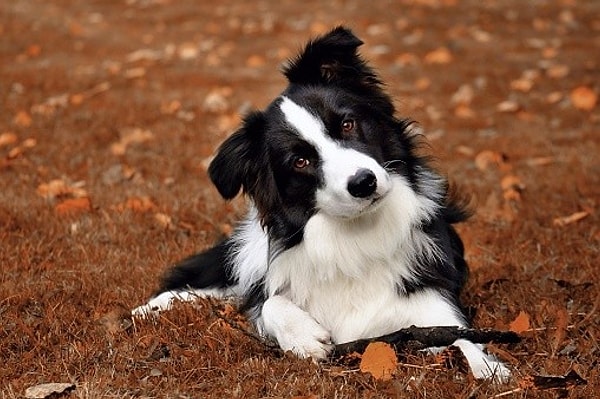
Neurobiologist Gregory Berns from Emory University made a striking observation in his studies investigating dogs' ability to interpret facial expressions: The elongated snouts of dogs could physically obstruct their view of the lower face of a speaking human. A head tilt, on the other hand, reduces this obstruction and provides the dog with a better vantage point to observe expressions on the mouth, jaw, and lower part of the face. This theory aligns with the less frequent occurrence of head-tilting behavior in breeds with short and flat faces (like bulldogs and pugs), as their snout length does not significantly hinder their view.
An Indicator of Emotional Intelligence?

In a study conducted in 2021, researchers discovered that individuals who excelled in education, namely those who could identify their toys by name, exhibited head-tilting behavior far more frequently compared to average dogs. These findings suggest that this action may not merely be an auditory adjustment but could also be an external manifestation of cognitive load: the dog might be performing this action while actively striving to understand you. This is akin to how humans furrow their brows when deep in thought.
Does Social Reinforcement Have an Effect?
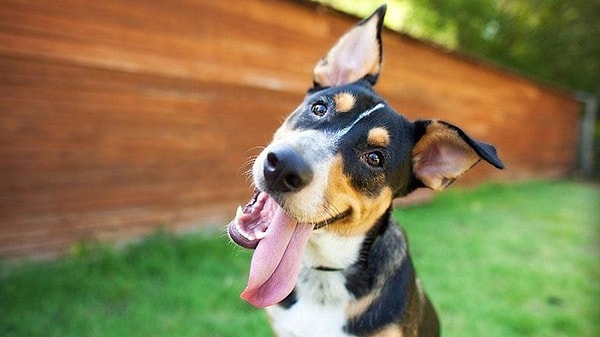
Another explanation is entirely social in nature. Dogs learn that when they tilt their heads, they receive positive responses from humans. This positive reinforcement could potentially contribute to the frequency of this behavior. In other words, a dog might be repeating an action, perhaps even subconsciously, that it has discovered brings joy to humans. This interpretation aligns with the capacity of dogs to utilize social memory and feedback loops.
Keşfet ile ziyaret ettiğin tüm kategorileri tek akışta gör!
 Test
Test
 Gündem
 Magazin
 Video
Video



Send Comment