


The Most Popular Dishes in Ottoman Palace Cuisine


Turkish cuisine stands as one of the most diverse in the world. Many of the dishes we relish today have their roots in the Ottoman palace kitchen. However, there are some flavors that have slipped our memory. For instance, the Ottoman palace kitchen boasted recipes that combined sweet and savory on the same plate, dishes that incorporated both meat and fruit, and traditional desserts. Those who had the privilege of savoring these flavors found them unforgettable.
Here are the flavors that left a lasting impression on those who tasted them in the Ottoman era.

The Ottoman cuisine was one of the richest gastronomic heritages in the world.
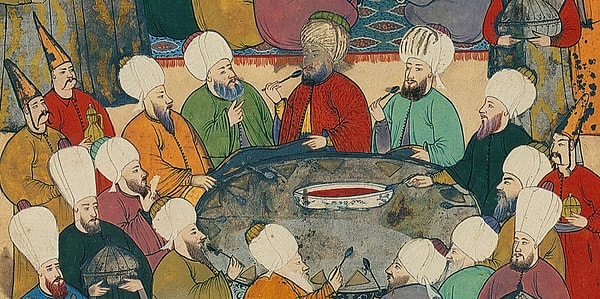
In the palace kitchen, recipes that married sweet and savory on the same plate, meat dishes prepared with fruits, light desserts, and energy-boosting natural beverages were never absent. The Ottoman Empire, with its rich culinary culture, made use of high-quality spices, fruits, vegetables, and meats. The Ottoman cuisine, a delicious and unique blend of Turkish, Middle Eastern, and Western influences, left everyone who tasted its dishes in awe.
Banquet tables, guest tables, and the sultan's tables were meticulously prepared. Each sultan had different food preferences and eating habits. Master chefs ensured that every dish was of the highest quality.
Let's get acquainted with the most famous flavors of the Ottoman Empire.
Sultan's Delight
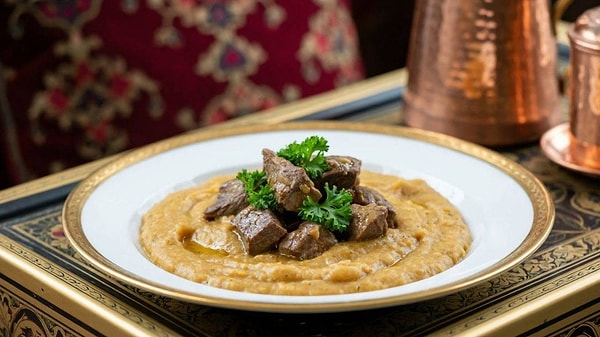
When one thinks of the Ottoman palace cuisine, the first dish that springs to mind is Hünkar Beğendi, which literally translates to 'The Sultan Liked It'.
Hünkar Beğendi is prepared by charring eggplants and then blending them with milk and butter to achieve a smooth consistency. The dish is served with tender lamb meat in a tomato sauce, making it a symbol of the palace cuisine.
It is said that the dish Hünkar Beğendi was named after Sultan Abdülaziz, who was particularly fond of it.
Feast
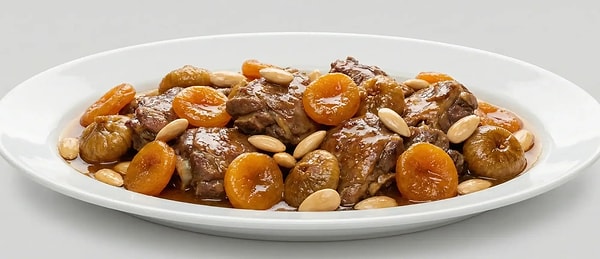
You may not have heard of this dish before, but Mutancana is one of the favorite meals of Fatih Sultan Mehmet. Typically made with lamb, the meat is sautéed with pearl onions and butter. Following this, dry fruits such as apricots, dried figs, and damson plums, along with almonds, are added to the mix. Adorned with honey and sumac, this dish is a delightful fusion of sweet, savory, and sour flavors. It is commonly served with saffron rice on the side.
Stuffed Melon
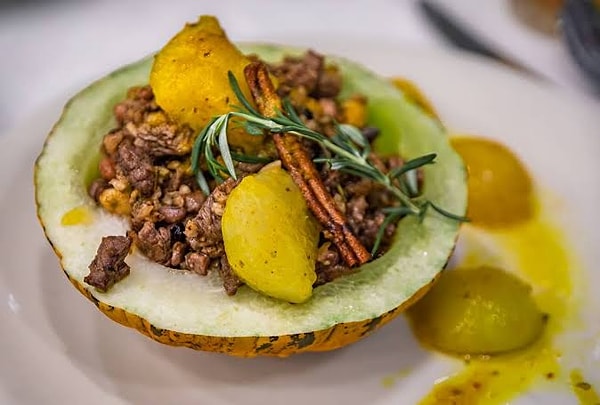
Stuffed melon is one of the most unusual dishes from the Ottoman Empire. This intriguing delicacy, which dates back to the 15th century, is prepared by hollowing out a melon and filling it with minced meat, rice, almonds, pine nuts, and currants before baking. Interestingly, while today's stuffed dishes are typically made with peppers, zucchini, eggplant, or tomatoes, it appears that back in those days, they could also be made with fruits.
Topkapi Chicken
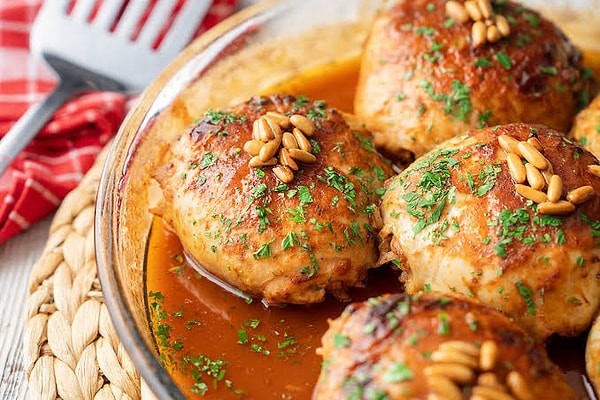
Topkapi Chicken is an indispensable delicacy of feasts. It's prepared by wrapping fragrant pilaf in boneless chicken pieces. The flavor of this popular dish, still prepared today, is literally elevated to the heavens with the harmony of spices.
Tortellini
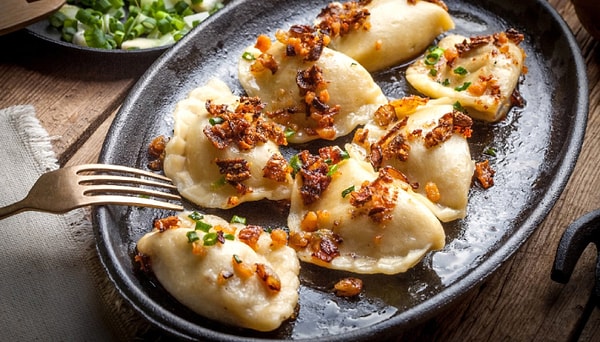
It's like dumplings, but not quite...
This dish called Piruhi is made by combining tulum cheese with a bit of onion and parsley. The filling is then stuffed into a soft dough, very much like dumplings. Once cooked, the Piruhi is served with melted butter poured over it and sprinkled with walnuts.
Mahmudiye
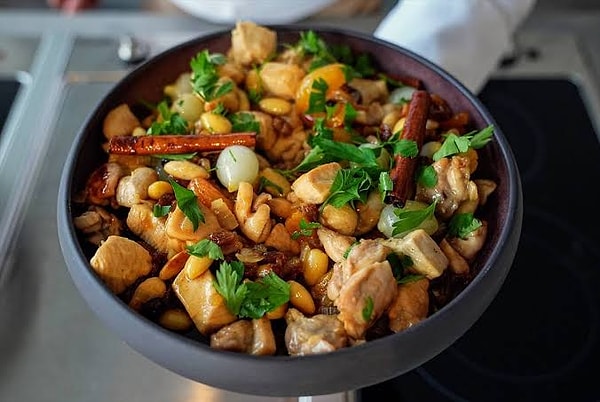
Mahmudiye is one of the dishes where the combination of fruit and meat takes center stage. It brings together chicken meat with almonds, cinnamon, cloves, honey, and apricots. Particularly during the winter months, it frequently graces the tables of the palace kitchen.
Wedding Soup
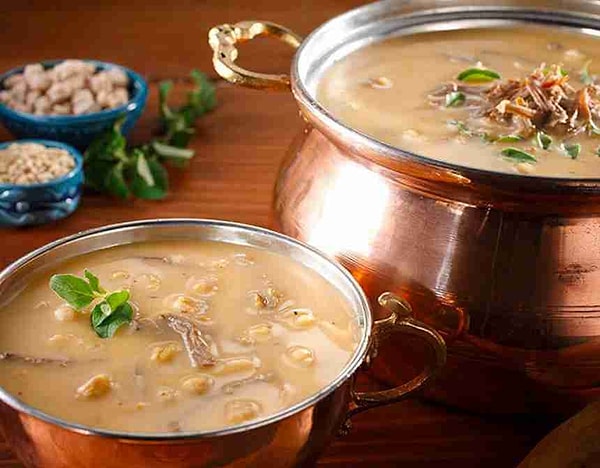
Soup held a unique place in the Ottoman cuisine, with the wedding soup being one of the most cherished flavors. Lamb meat was cooked for hours until it reached a tender state. The meat, which would crumble at the touch, was then combined with vegetables such as carrots and onions.
Cherry Leaf Wrap
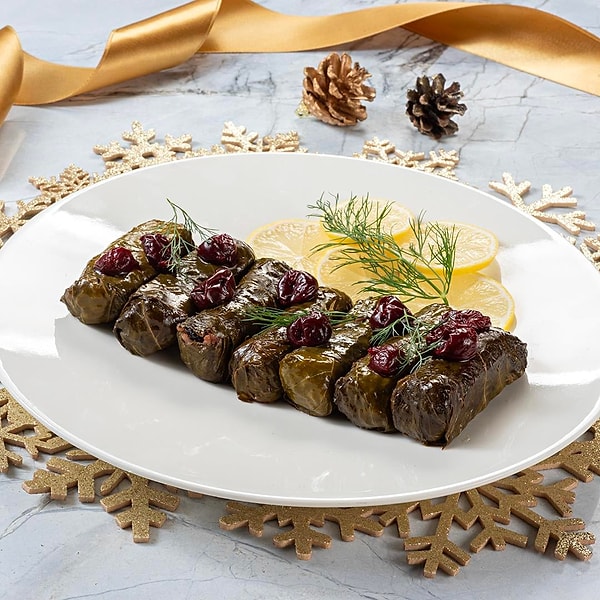
Stuffed grape leaves are a staple in all of our homes. However, the cherry version of this dish adds an entirely new dimension to this flavor.
Stuffed grape leaves with cherries are cooked with cherry juice and cherry pieces. Thanks to the balance of sour and sweet flavors, it stands as one of the most unique recipes in the Ottoman cuisine.
Zerde
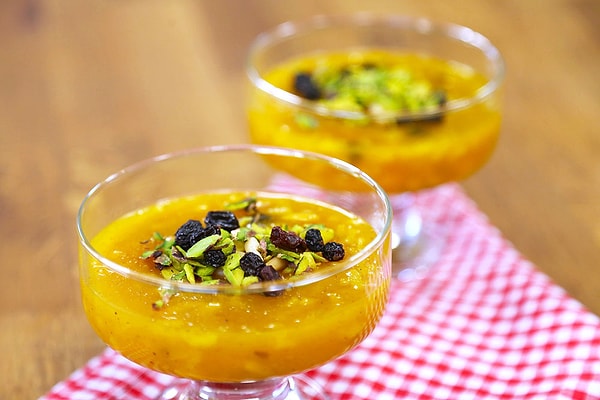
In the Ottoman Empire, traditional and light desserts were favored, and zerde was one of them.
Zerde, which derives its yellow color from saffron, was prepared with rice, sugar, and rose water. Not only was it served at grand feasts, but it was also a refreshingly beneficial dessert.
Tamarind Sherbet
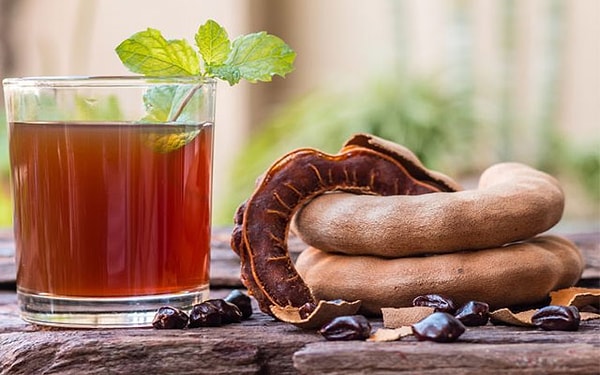
In the Ottoman era, various sherbets would accompany meals. The most famous of these was the Tamarind Sherbet.
Known not only for its refreshing quality, the Tamarind Sherbet was also celebrated for its health benefits. The cinnamon within the sherbet warms you from the inside, while the fennel aids digestion, and the cloves help combat tooth decay. With its antioxidant properties, this sherbet was an indispensable part of the dining table.
Keşfet ile ziyaret ettiğin tüm kategorileri tek akışta gör!
 Test
Test
 Gündem
 Magazin
 Video
Video



Send Comment