


Resurrection: Ertuğrul - Everything You Need to Know


'Resurrection: Ertugrul' is not merely a television triumph; it's the epic tale of the Kayi tribe, who altered the fate of Anatolia, journeying from dusty nomadic tents to a global empire. However, the burning question in the minds of viewers is: How much of what we see on screen is genuine?
Come, let's delve into the details together.

Resurrection: Ertugrul - The Fine Line Between Legend and Actual History
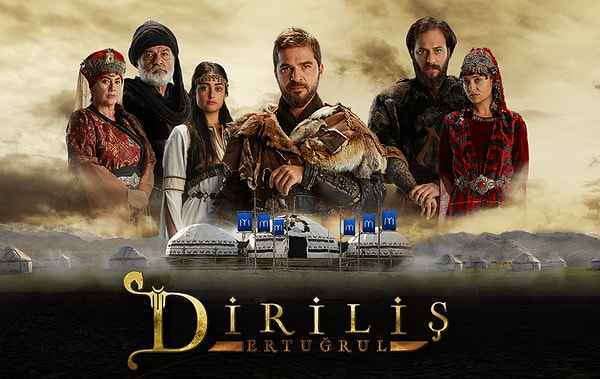
While history books often remain silent about the 13th-century Anatolia, Resurrection: Ertugrul fills this void with an epic narrative. However, there are many critical details that both separate and unite these two worlds.
Contemporary written sources regarding the era of Ertugrul Gazi are almost non-existent. Since Ottoman historiography began approximately 100-150 years after the establishment of the state, most of the information about Ertugrul Gazi is derived from legends passed down through oral tradition. The series exploits these 'gaps' to portray Ertugrul not merely as a tribal leader, but as a universal hero who stands as the protector of the entire Islamic world.
Historical Similarities and Differences: What Really Happened?
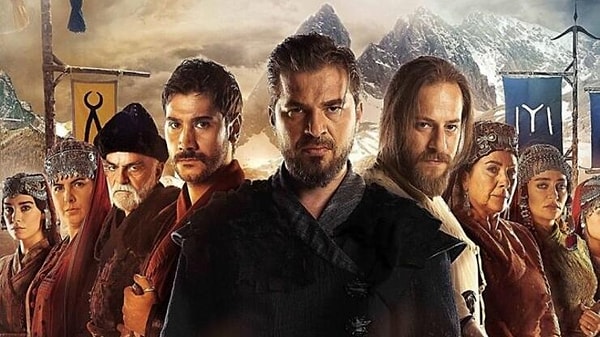
The script of the series is built upon limited historical sources from that era (such as Aşıkpaşazade, Neşri Tarihi), with gaps filled in by epic fiction.
Similarities (Historical Facts)
The Migration of the Kayı Tribe: The fact that the Kayıs fled from the Mongol invasion and came to Anatolia, and were settled in the Söğüt and Domaniç region as a 'Frontier Principality' by Seljuk Sultan Alaaddin Keykubad, is historically accurate.
Ertuğrul Gazi's Political Role: It's true that Ertuğrul waged both diplomatic and military struggles with both the Byzantine tekfurs (local rulers) and the Mongols.
Being the Father of Osman Bey: It's a confirmed fact that he was the father of Osman Gazi, the founder of the Ottoman Empire. Coins from that era inscribed with 'Osman bin Ertuğrul' (Ertuğrul's son Osman) prove this connection.
Differences (Changes Made for the Script)
Timeline: Events in the series unfold rapidly. In reality, the settlement of the Kayıs in Söğüt and the establishment of their authority there was a much slower process that spanned many years.
Meetings with Ibn Arabi: While Ibn Arabi was a great mystic, it's not certain whether he ever met Ertuğrul Gazi face-to-face; however, it's a fact that his spiritual ideas shaped Anatolia during that era.
Battle Scenes: In history, small-scale raids and castle sieges based on 'hit-and-run' tactics were more common than large field battles.
Expanded Character Guide: Who's Who?
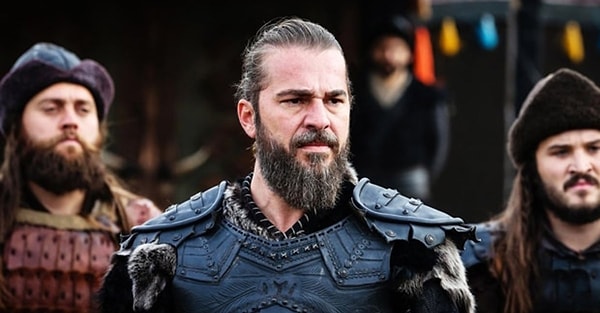
Ertugrul Gazi (Engin Altan Düzyatan)
The central character of the series. Historically referred to as the 'Emir of Kayi'. He is not just a warrior, but also a leader who keeps the tribes united. His tomb is located in Bilecik/Söğüt and is visited by thousands of people every year.
Halime Hatun (Esra Bilgiç)
She appears as a princess of Seljuk lineage. Historically, she is known as the wife of Ertugrul Gazi and the mother of Osman Gazi. Contrary to her portrayal in the series, she did not die young but lived side by side with Ertugrul Bey for many years.
Turgut Alp (Cengiz Coşkun)
Ertugrul’s closest comrade in arms. In historical sources, Turgut Alp is a legendary commander who played a key role in the foundation of the Ottoman Empire, conquered the castle of Inegöl, and fell martyr at over 100 years of age. His axe has become a symbol.
Bamsi Beyrek (Nurettin Sönmez)
His character is inspired by a hero from the Dede Korkut Stories. Although he is not directly mentioned as 'Ertugrul's Alp' in historical records, he is a symbolic and much-loved figure representing the warrior spirit of that era.
Suleyman Shah (Serdar Gökhan)
The father of Ertugrul Gazi and the Bey of the Kayi tribe. His most well-known historical event is his drowning while crossing the Euphrates River and his burial in the 'Caber Castle' (the only foreign location considered Turkish soil).
Hayme Ana (Hülya Darcan)
Known as 'Mother of the State'. After the death of Suleyman Shah, she is the figure of a strong Turkish woman who prevented the tribe from disintegrating and guided the Beys with her wisdom.
Sadettin Kopek (Murat Garipağaoğlu)
The biggest 'villain' of the series. In reality, he was a vizier of the Seljuk State who murdered many emirs and princes to seize the throne, accelerating the downfall of the state.
Noyan (Barış Bağcı)
A Mongol commander. In history, Baycu Noyan is a real Mongol leader who invaded Anatolia and defeated the Seljuk army in the Battle of Kösedağ.
Frequently Asked Questions (FAQs)
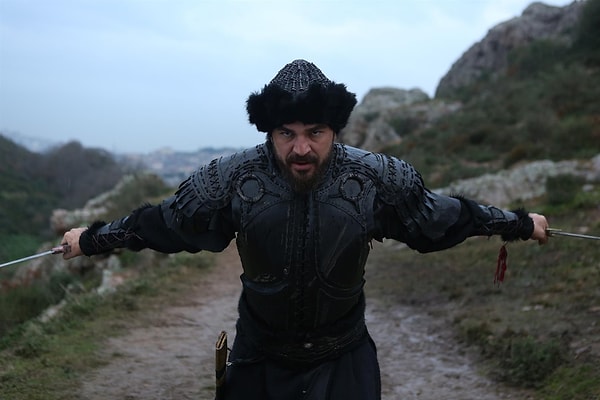
1. What is the difference between 'Alp' and 'Alperen'? 'Alp' signifies a brave and professional warrior. 'Alperen', on the other hand, refers to someone who is both a warrior (Alp) and a sage/dervish (Eren), bringing justice and faith to the lands they conquer with their sword. In the series, Ertuğrul and his companions act with the spirit of 'Alperen'.
2. Did Ertuğrul Gazi's brothers (Gündoğdu and Sungurtekin) really separate? Indeed. Historically, the Kayi tribe was divided into two. Following the death of Süleyman Şah, the elder brothers Gündoğdu and Sungurtekin returned to Central Asia/Ahlat, while Ertuğrul chose to head 'where the sun rises', that is, westwards to Söğüt. This decision paved the way for the establishment of the Ottoman Empire.
3. Was Halime Hatun really a Seljuk princess? Her connection to the Seljuk dynasty in the series is a fictional touch. In historical records, she is only mentioned as Ertuğrul’s wife; however, this fiction symbolizes the Ottoman Empire's succession of the Seljuk legacy.
4. How accurate is the 'Oba' lifestyle depicted in the series? It is quite accurate. The structure of the tents (Otag), the rugs woven by the women, the animal husbandry, and the nomadic lifestyle all accurately reflect the sociological structure of that era.
5. Why does everyone kiss Ertuğrul’s sword before unsheathing it? This is a sign of respect for the sword, not merely as a weapon, but as a tool for 'jihad in the way of Allah'. It is one of the cultural rituals that most catches the attention of the global audience.
6. What is the difference between 'Resurrection Ertuğrul' and 'Establishment Osman'? 'Resurrection Ertuğrul' portrays the 'preparation' and 'resurrection' period of a state; 'Establishment Osman', on the other hand, narrates the period when the state was officially established and expanded.
Keşfet ile ziyaret ettiğin tüm kategorileri tek akışta gör!
 Test
Test
 Gündem
 Magazin
 Video
Video



Send Comment