


Kitchen Tip for Removing Scale Stains from Taps and Sinks


The surfaces of faucets and sinks are among the areas that get dirty the fastest in the kitchen. Over time, lime stains, water marks, and soap residues create a dull appearance. It's not uncommon for people to resort to strong chemicals in an attempt to restore shine. However, according to experts, the solution is not as complex as you might think. Moreover, the necessary ingredients are often already sitting in your cupboard or refrigerator.

The effect of cucumber peel and cola is astonishing.
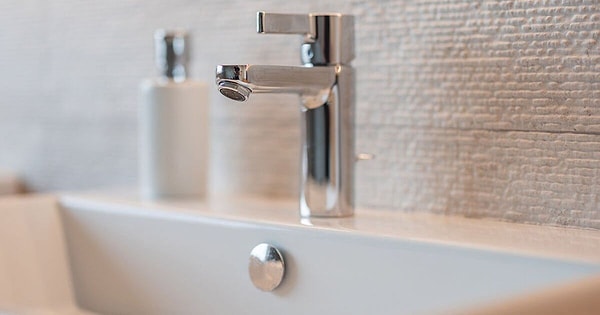
According to expert Janine McDonald, cucumber peel is highly effective for cleaning fingerprints and water stains on stainless steel faucets. The peel of the cucumber, an indispensable part of salads, dissolves the dirt layer thanks to its natural oils. Simply rubbing the peel part on the steel surface does the trick. When wiped with a soft cloth afterwards, the shine of the surface noticeably increases.
Moreover, this chemical-free method leaves a fresh scent in the kitchen. It offers a practical option for those who want to clean without being exposed to the sharp smell of heavy cleaning products.
Another surprising suggestion is cola. Cleaning experts point out that it can dissolve stubborn mineral residues due to the citric, tartaric, and phosphoric acid it contains. When poured onto the faucet and left for a short while, it resolves rust and lime traces. On top of that, it protects the metal surface without causing any abrasive effects.
When it comes to the issue of limescale, lemon is among the first natural solutions that spring to mind.
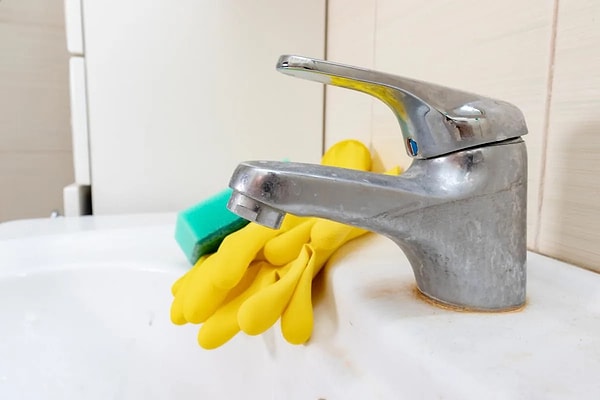
The citric acid it contains breaks down mineral deposits. According to expert Deyan Dimitrov, when lemon juice is used regularly, it maintains the performance of faucets and prevents surface wear and tear in the long run.
The application is quite straightforward. The lemon is cut in half, and the cut surface is directly rubbed onto the faucet and sink. After waiting for five to ten minutes, rinsing with water is sufficient. For stubborn stains, baking soda is added to create a paste, enhancing the effect.
The use of lemon is not limited to faucets. It is also preferred for limescale residues formed inside dishwashers, kettles, or microwaves. Even adding half a cup of lemon juice to white laundry contributes to a more vibrant appearance of the fabrics. Thanks to its natural bleaching property, it rejuvenates faded clothes.
Keşfet ile ziyaret ettiğin tüm kategorileri tek akışta gör!
 Test
Test
 Gündem
 Magazin
 Video
Video



Send Comment