


Golden Leaves: How Deep-Rooted Trees Are Exposing Hidden Underground Gold Deposits


The old saying 'Money doesn't grow on trees' is on the brink of losing its validity with the latest discovery from the world of science. Researchers have uncovered gold nanoparticles hidden within the needle leaves of Norway spruce trees. While the presence of solid metal within an ordinary tree leaf has left researchers astounded, it's suggested that this discovery could serve as a novel, eco-friendly guide in locating massive underground gold mines.

According to a study published in the journal Environmental Microbiome, gold is in fact a toxic metal for living organisms.
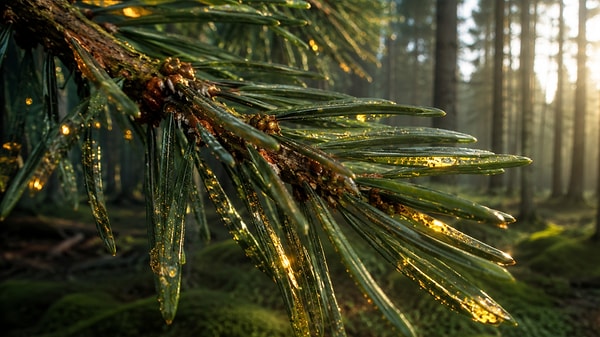
However, studies conducted near the Kittilä mine in Northern Finland, which is the largest gold producer in Europe, have unveiled nature's method of dealing with this poison.
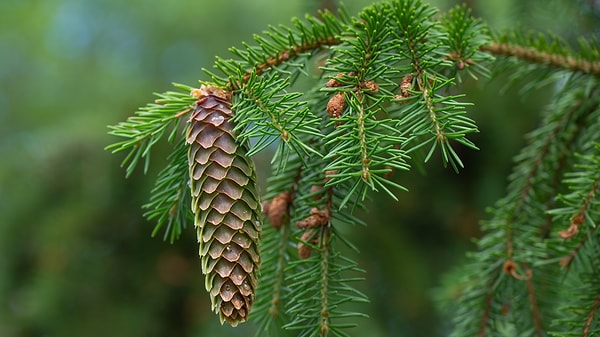
Gold ions, found dissolved in underground water, are absorbed through the roots of trees and transported up to the leaves. Resident bacteria living within the tree, known as endophytes, step in to defend themselves and reduce the toxicity of the metal. These microbes, of the P3OB42, Cutibacterium, and Corynebacterium types, create a special protective biofilm layer around the gold. By altering the acidity and oxygen levels of the environment, they transform the liquid gold into solid nanoparticles, a millionth of a millimeter in size, and trap them inside the pine needles.
Experts emphasize that no one can strike it rich by cutting down pine or fir trees and extracting gold from their leaves, as the amount of metal present is merely microscopic.
However, this biological process holds the potential to revolutionize the mining industry.
Kaisa Lehosmaa, an ecologist at the University of Oulu in Finland and the lead author of the study, underscores the significance of the discovery with these words: 'Our findings indicate that bacteria and other microbes living within plants can influence the accumulation of gold in trees. Scanning and analyzing such bacteria in plant leaves could significantly simplify the detection of hidden underground mineral deposits and gold prospecting efforts.'
This discovery is not only sparking excitement in the geological world, but it's also seen as a historic turning point in terms of environmental conservation.
Existing Method (Traditional)
Invasive drilling is conducted over vast areas. It poses a high risk of environmental damage and is costly. It necessitates the excavation of large areas.
New Method (Biological Monitoring)
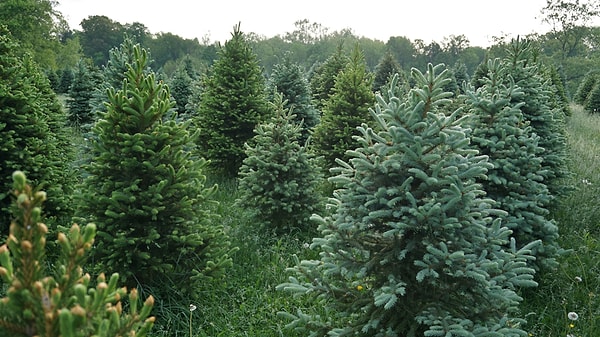
Samples are simply collected from the needle leaves of trees. It does not harm nature, and it's quite inexpensive and practical. It allows for pinpoint detection in remote and untouched regions.
This covert partnership between trees and microbes, which has been quietly underway for millions of years, will enable us to map the underground riches by merely analyzing leaves in the future, instead of destroying nature with heavy machinery.
Keşfet ile ziyaret ettiğin tüm kategorileri tek akışta gör!
 Test
Test
 Gündem
 Magazin
 Video
Video



Send Comment