


Dentists Reveal the Real Reason Behind Colored Toothbrush Bristles


If you think that the blue, green, or pink bristles on the toothbrushes we pick up at least twice a day are merely a visual design or decoration, you're mistaken. Oral health experts and dentists have shed light on the scientific truths behind these color combinations, which directly impact oral hygiene.
Contrary to the common consumer belief that these colors indicate the brush's hardness or quality, the reality is much more diverse and functional. Here are the true purposes of the colors on toothbrush bristles...

1. A Secret "Toothpaste Squeezer"
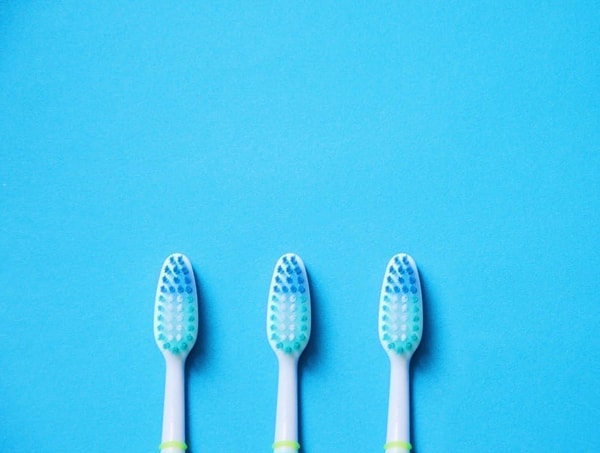
The differently colored circular or straight bristles located in the middle of toothbrushes actually serve as a guide for the correct amount of toothpaste to use. These have been specifically designed to prevent overuse of toothpaste, particularly by children and adults. The colored area visually symbolizes the ideal amount of toothpaste that should be applied to the brush.
2. It's Time to Change Your Toothbrush
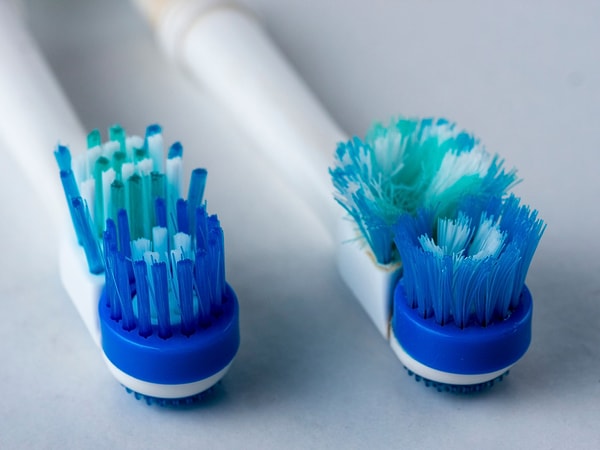
These vibrant sections gradually fade and lose their color over time with use.
The rule frequently emphasized by dentists to 'replace your toothbrush every three to four months' is visually communicated to you through the fading color of your brush, serving as an alert.
3. Correct Pressure and Brushing Area
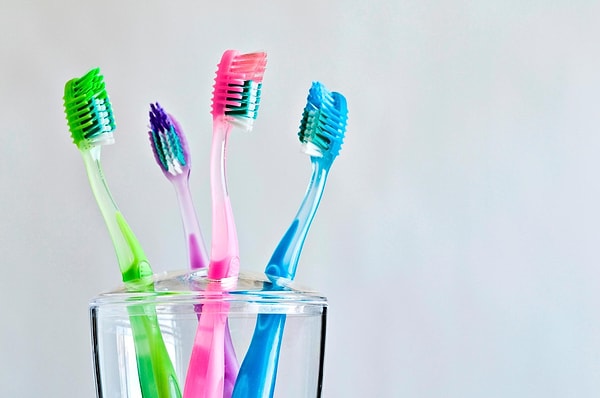
The variations in color on the toothbrush indicate strategic areas that demonstrate how much pressure should be applied to each part of the tooth. This visual guidance allows users to balance their brushing force, consequently reducing the risk of gum injuries and enamel wear to a minimum.
Beware of Common Misconceptions!
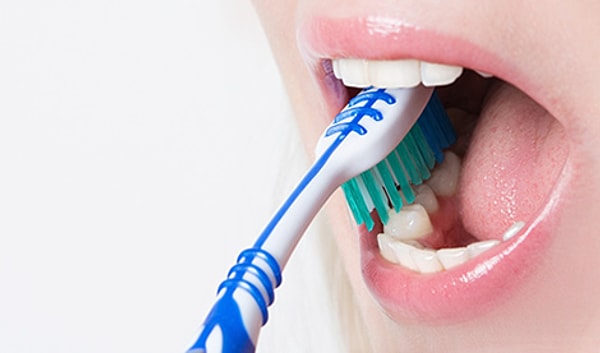
The softness, mediumness, or hardness of a toothbrush is not determined by its color, but rather by the diameter of its bristles and the material from which they are made. Dentists generally recommend soft-bristled brushes to prevent gum recession and enamel damage.
Toothbrush bristles do not have the function of detecting cavities, plaque levels, or sugar content in the mouth. Over time, any color changes in the brush are solely due to the dyes in toothpaste or food pigments.
What Do the Experts Say?

Dentists emphasize that the colors on the toothbrush are not clinical diagnostic tools, but merely auxiliary designs that support the correct technique. They underscore the importance of focusing not on the color of the brush for effective oral care, but on the softness of the brush, brushing for two minutes twice a day, using the correct technique, and timely replacement of the brush.
Keşfet ile ziyaret ettiğin tüm kategorileri tek akışta gör!
 Test
Test
 Gündem
 Magazin
 Video
Video



Send Comment