


Concrete Garden Walls Are History: New Soundproof Trees Are Taking Over for Noise Control


The evolving technology and desire to reconnect with nature are sparking a revolutionary era in urban planning. Traditional concrete and steel barriers, which have been used for years to combat urban noise pollution caused by traffic, trains, and construction, are being phased out due to their high environmental costs and lack of aesthetic appeal. They are being replaced by environmentally friendly green walls and specially developed trees using genetic technology.
In Germany, cutting-edge 'soundproof trees' and rapidly spreading vertical gardens are not only silencing cities but also transforming them into breathing ecosystems.

With a visionary fusion of nature and science, Germany has developed genetically modified "soundproof trees" that outperform even concrete walls in blocking urban noise.
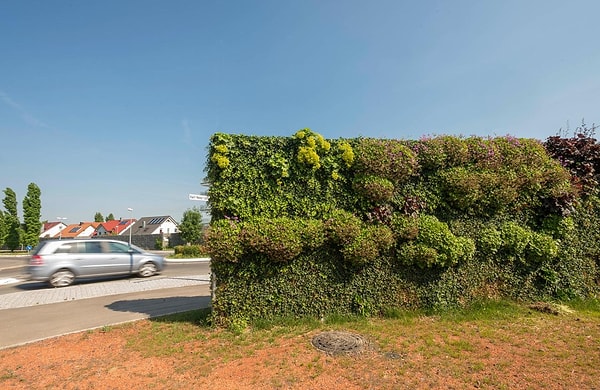
These particular trees are endowed with ultra-dense foliage, thick bark layers, and covert structures that absorb and diffuse sound waves far more effectively than traditional barriers. Planted alongside highways, railways, and in bustling city centers, these trees are redefining urban infrastructure.
While traditional concrete walls merely deflect and reflect sound (sometimes even amplifying it to other areas), the fibrous structure and leaves of these next-generation trees essentially trap sound vibrations. Researchers have engineered these selected tree species to retain their leaf volume throughout the year, even in cold climates, as well as to grow faster and live longer. Moreover, the roots of these trees absorb a substantial amount of rainwater, thereby mitigating the risk of urban flooding.
In the city, green walls designed as vertical gardens are rising amidst buildings and connecting roads.
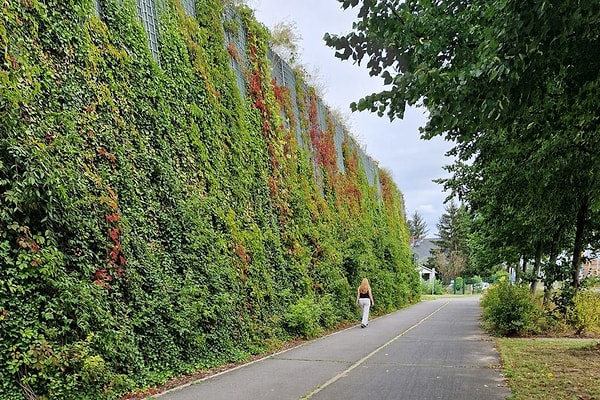
These walls, unlike flat concrete surfaces, scatter sound waves in different directions by disrupting their paths, thanks to their irregular and protruding plant structures.
How Do Green Walls Control Sound?
As the vegetation thickens, sound absorption increases. Large and textured leaves are among the most effective elements in capturing sound waves.
Deep soil and substrate layers in the wall structure absorb low-frequency noises, which are some of the most disturbing sounds in cities.
Strategic air gaps left between the plants and the main wall take on the role of an extra insulation barrier.
Sustainable sound barriers not only offer ecological and psychological benefits that concrete walls could never provide, but they also bring along with them.
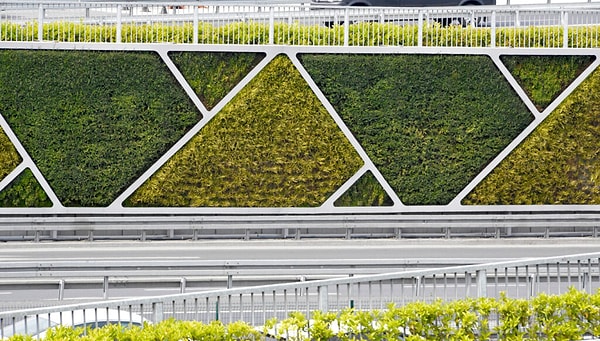
Leaves trap fine dust and air pollutants prevalent on busy traffic roads.
These 'living walls' naturally cool their surroundings, thus mitigating the urban heat island effect that intensifies during the summer months.
Moreover, these plants emit phytoncides, compounds that reduce stress hormones in humans and promote mental health. Simultaneously, they provide vibrant habitats for birds, bees, and contribute to urban biodiversity.
Maintaining the noise reduction capabilities and aesthetic appeal of green walls is of vital importance to ensure they don't lose their effectiveness and allure.
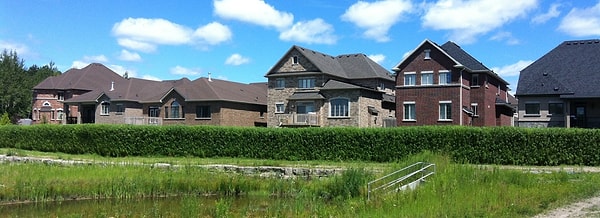
Utilizing automatic drip irrigation systems, regularly pruning, replacing damaged plants, and adjusting water levels according to the season all contribute to extending the lifespan of the wall.
In the next 10 to 20 years, advancements in bio-based production are projected to generate an increase of up to 300 billion dollars in the global market. Thanks to smart noise monitoring technologies and biomaterials, the cities of the future will be significantly quieter, greener, and more livable.
Keşfet ile ziyaret ettiğin tüm kategorileri tek akışta gör!
 Test
Test
 Gündem
 Magazin
 Video
Video



Send Comment