


90% of Drivers Get It Wrong: Here Is What the L Mode in Automatic Cars Actually Does


For the vast majority of drivers who operate automatic transmission vehicles, the driving ritual is fairly straightforward: You get in the car, shift the gear to 'D' (Drive), and for the most part, you don't touch the gear stick until the journey ends. While the meaning of the letters P, R, and N on the gear panel is widely known, the 'L' letter, quietly waiting at the bottom, is often overlooked.
However, according to experts, this letter signifies the fine line between a safe and comfortable drive and the potential disaster of your brake system overheating and failing on a steep mountain descent.

What Does the Letter "L" Actually Stand For?
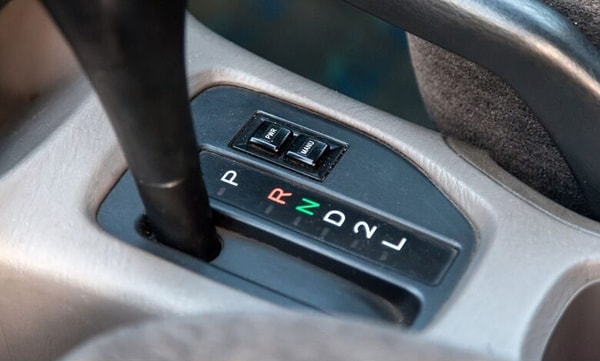
In the realm of automotive, the letter 'L' stands for 'Low Gear'. When you select this mode, your vehicle's advanced transmission system locks itself into the lowest gear ratios.
Under normal circumstances, the brain of your vehicle constantly seeks the highest gear in order to provide fuel efficiency and a smooth ride. However, when the road steepens, the surface becomes slippery, or the vehicle is burdened with a heavy load, the 'L' mode transforms into the most direct and effective control mechanism at the driver's disposal.
So, When Should "L" Mode Be Used?
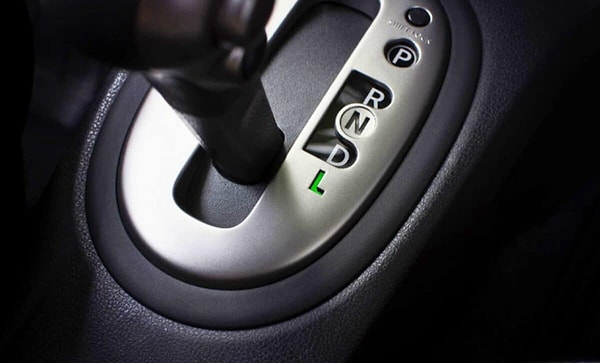
This unsung hero, which many drivers never touch throughout their life, actually saves lives in these 5 critical situations and prolongs the lifespan of the vehicle:
While Towing Heavy Loads: It prevents the transmission from wearing out due to constant gear changes when towing a trailer, caravan, or carrying a heavy object. It maintains the maximum torque (traction power) necessary for the engine to pull the extra load.
During Uphill Drives: It prevents the vehicle from losing power when climbing steep ramps, allowing you to ascend inclines at reasonable and steady speeds.
During Downhill Descents (Engine Brake): Lower gears provide more resistance when descending steep mountain roads. This way, the driver doesn't have to constantly press the brake pedal. Overheating and wear of the brake pads are prevented.
In Challenging Low-Speed Maneuvers: It provides precise control without straining the brakes and transmission in congested parking lots, narrow spaces, or in city environments where stop-and-go traffic is heavy.
In Poor Road Conditions (Snow, Ice, Mud): Shifting the transmission to 'L' mode prevents the wheels from spinning (skidding) on icy, snowy, or muddy roads. It provides better traction, keeping the control of the vehicle in the driver's hands.
"When Should You Avoid Using 'L' Mode?"
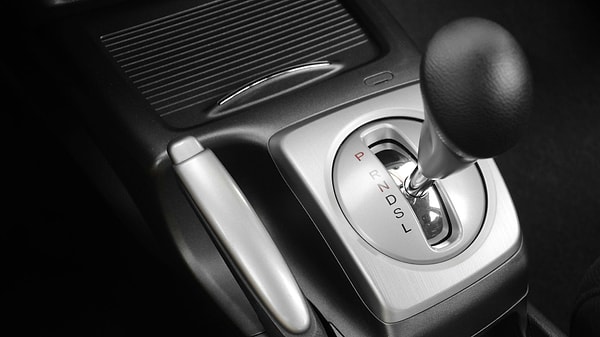
While the 'L' mode can be a fantastic safety tool during challenging times, experts caution against relying on this mode under normal driving conditions.
Important Note: Locking the transmission into low gear causes the engine to spin much faster than usual, leading to high revolutions per minute (RPM). If the demanding conditions (such as inclines, snow, heavy loads) have come to an end, you should definitely shift the gear lever back to the 'D' position. Otherwise, your fuel consumption will skyrocket, and the wear and tear on the engine and transmission will accelerate significantly.
In summary, the 'L' in your automatic car is not just for show; it's a safety and performance insurance designed for tough times. Using it at the right time can save both your wallet and your life.
Keşfet ile ziyaret ettiğin tüm kategorileri tek akışta gör!
 Test
Test
 Gündem
 Magazin
 Video
Video



Send Comment