


Which Type of Milk is the Healthiest?


The debate about milk has been ongoing for years. While some experts deem the consumption of milk unnecessary, others highlight the benefits of drinking milk. National Geographic conducted a study with experts and revealed that saturated fats obtained from dairy products might not be as harmful as previously thought. The research also examined different types of milk in terms of their nutritional values.
The healthiest milk option varies depending on a person's dietary needs, and different types of milk have different benefits.
Let's delve into this together.
Source

It's quite normal if different types of milk leave you feeling confused.
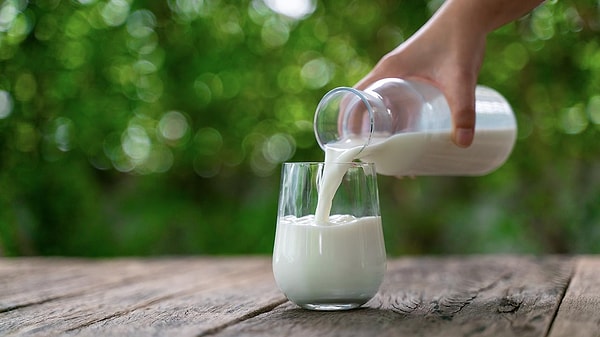
The variety of cow's milk on supermarket shelves is quite extensive. Whole milk, semi-skimmed, low-fat, fat-free, lactose-free... Plus, there are plant-based options as well. Oat milk, almond milk, soy milk, coconut milk. Therefore, we get confused about which one to choose, and each time we find ourselves reaching for a different one.
National Geographic sought expert advice to better understand the options on the supermarket shelves. The experts were asked about both the fat varieties of cow's milk and plant-based milk options.
Firstly, it was pointed out that recent studies have shown that saturated fat in dairy products is not as harmful as previously believed. In past years, it was said that saturated fats could lead to arterial blockages and by raising LDL cholesterol levels, they could increase the risk of cardiovascular diseases and stroke.
So, which type of milk is healthier?

Let's first understand the difference between the types of fat in cow's milk.
The primary distinction between whole, reduced-fat (2%), low-fat (1%), and fat-free milk lies in their calorie and fat content. Aside from this, they are largely similar in terms of protein, calcium, vitamins D and B12, potassium, phosphorus, magnesium, and other micronutrients.
The American Heart Association suggests limiting your intake of saturated fats to less than 6% of your total daily calorie intake to reduce heart disease risk. So, if you typically consume about 2,000 calories a day, this means you should get no more than 120 calories from saturated fat (or about 13 grams). Changing your milk habits was thought to be an easy way to achieve this goal.
However, a study published in the December 2025 issue of the Journal of Nutrition found that researchers tracked the dairy consumption of young adults for 25 years. Those who consumed full-fat dairy products the most had a 24% lower risk of developing coronary artery calcification than those who consumed the least.
Scientists aren't exactly sure why. Ethan Cannon, a co-author of the study and a cardiovascular disease researcher at the University of Minnesota School of Public Health, suggests it could be due to the nutrients in milk, such as calcium, potassium, and vitamin D.
According to a theory based on the results of an earlier study published in the 2022 issue of the American Journal of Clinical Nutrition, the health effects of saturated fats obtained from different food sources may vary.
Dietitian and nutritionist Keith Ayoob says, 'Milk fat seems to behave differently in the body because it's part of a nutrient-protein matrix. Therefore, it doesn't seem to contribute to heart disease like an independent fat.'
However, Ayoob points out that there's no need to switch to whole milk, saying, 'People don't need the extra calories,' but also notes that there's no need to be overly obsessive about it.
Now, let's move on to plant-based milk varieties.
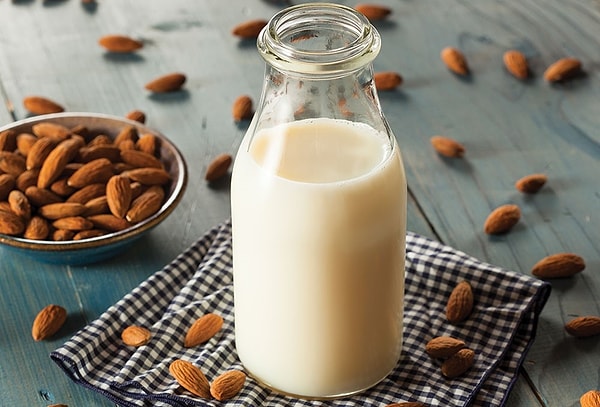
Experts point out that it may not be entirely accurate to refer to these products as 'milk'. These plant-derived products do not contain milk and their nutritional values can vary significantly.
Joan Salge Blake cautions, 'Just because they are plant-based does not automatically make them healthier.' She emphasizes the importance of checking whether these products are fortified with calcium and vitamin D. 'Also, it's crucial to check if they contain added sugars. In cow's milk, you won't find added sugars unless it's a flavored product like chocolate milk.'
Dietitian Marisa Moore also notes that even within the same type of milk, there can be significant nutritional differences between brands. Different oils can be added to these milks to make their consistency creamier.
Soy Milk
A cup of unsweetened soy milk contains approximately 70 calories, 3.5 grams of total fat, and no saturated fat. Unlike many plant-based milks, it contains about 7 grams of protein per cup, which is quite close to the amount in cow's milk. Beverages made from pea protein have a similar protein content. Soy milk naturally contains calcium, potassium, phosphorus, and magnesium, and many products are also fortified with vitamin D.
Oat Milk
A cup of unsweetened oat milk contains approximately 120 calories, 5 grams of total fat, and no saturated fat. It contains less protein than cow's milk, but more soluble fiber. Oat milk is rich in calcium, vitamin D, vitamin B12, vitamin A, and a soluble fiber called beta-glucan, which is beneficial for heart health.
Coconut Milk
A cup of unsweetened coconut milk beverage contains approximately 45 calories. It has a low protein content, but the total fat and saturated fat content is higher than both cow's milk and many plant-based alternatives. Many brands fortify their products with calcium, vitamin D, vitamin A, and vitamin B12.
Almond Milk
A cup of unsweetened almond milk contains approximately 40 calories and 2.5 grams of total fat. The majority of the fat is heart-friendly mono and polyunsaturated fats.
Almond milk is a good source of calcium and potassium and also contains vitamin E, vitamin B2, and niacin. Although it contains some fiber and vitamin D, its protein content is low.
"The product must be thoroughly shaken before consumption."

In a nutshell, the healthiest milk is the one that meets your body's needs. There's no need to deprive yourself of the other beneficial substances in milk just because you're afraid of consuming fat. For instance, if you're drinking a high-calorie coffee, you can opt for options that are less fatty and less caloric. On the other hand, if you're buying milk for daily consumption at home, and you're also mindful of your calorie intake, you're not necessarily obliged to drink plant-based milks.
However, experts have an important warning
Especially if you prefer plant-based milks, make sure to shake them well before consuming. The vitamins and minerals in plant-based milks can settle at the bottom, preventing you from reaping the benefits you desire.
Keşfet ile ziyaret ettiğin tüm kategorileri tek akışta gör!
 Test
Test
 Gündem
 Magazin
 Video
Video



Send Comment