


Health Trends That Are Ruining Women’s Bodies, According to a Women’s Health Expert


When it comes to health, everyone seems to have a piece of advice to give. What we should eat and drink, which supplements we should take, and how much sleep we should get are often reminded by experts. However, there's a point we'd like to draw your attention to: It is thought that approximately 75% of medical research is conducted based on the male body. The advice given as a result of these studies may not be quite suitable for women.
Dr. Stacy Sims, who specializes in women's health, has penned down how popular health trends can impact women's health.
Source 1
Source 2


Could health trends potentially be unsuitable for the female body?

It's well-known that women were included in scientific research much later than men, and even today, most scientific studies are conducted based on the male body. American physiologist, author, and women's health expert Dr. Stacy Sims reminds us that 'women are not small men,' highlighting that women have their own hormones, cycles, biochemistry, metabolism, and aging processes, and discusses how these processes alter our health.
Sims advocates for different health recommendations for men and women, particularly stating that some trends popular in recent years are not suitable for women at all. For instance, 'intermittent fasting,' a common method for those wanting to lose weight, is often recommended for everyone, yet the needs and consequently the responses of female and male bodies can differ in this regard.
According to Sims, the health trends that 'wreck' women's bodies are as follows:
- Intermittent fasting
- Cold water pools
- Long cardio workouts
- Avoiding protein
- Avoiding carbohydrates
Let's delve a little deeper into these points.
Intermittent Fasting
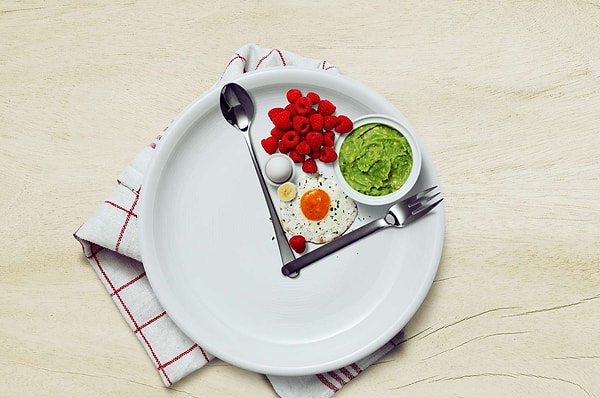
Intermittent fasting is typically a dietary regimen that involves skipping breakfast and consuming meals within an 8-hour, 6-hour, or 4-hour window. It is strongly advised not to eat outside of these designated meal times. Theoretically, the aim is to allow the body to utilize stored fats by taking a break from constant eating.
Why doesn't it work for women?
While research suggests that intermittent fasting can be beneficial for men and some women with metabolic disorders, it generally appears to be ineffective, and possibly even harmful, for women. When women skip breakfast and start the day, they impose additional stress on their bodies. Since women already have higher cortisol levels than men, starting the day hungry can exacerbate their anxieties and potentially lead to weight gain.
A study published in PubMed in 2014 revealed that women who skip breakfast have higher levels of stress hormones. It was also discovered that these women experienced an increase in blood pressure. Skipping breakfast can potentially lead to an increase in conditions such as heart disease, obesity, diabetes, high blood pressure, and high cholesterol.
Dr. Sims recommends that women maintain a regular breakfast routine and ensure they consume sufficient protein.
Cold Water Pools

You may have seen pools filled with cold, even icy water. It's said that these pools reduce inflammation, strengthen the body's stress response, and speed up recovery after exercise. However, all of these benefits apply to the male body.
Why doesn't it work for women?
Women have a higher body fat percentage, making them much more sensitive to cold. Consequently, temperatures below 10 degrees trigger a stronger stress response in women than in men. Particularly, cold water puts women into a state where the sympathetic nervous system (essentially the fight or flight response) is shut down, without activating the metabolic benefits. Dr. Sims suggests that women could achieve the same results in cooler, rather than icy, waters.
Extended cardio sessions

Cardio exercises, which increase heart rate, blood circulation, and oxygen consumption, are known to enhance cardiovascular health, boost metabolism aiding in fat burn, improve lung capacity, and stimulate the release of endorphin, the happiness hormone. It's often said that cardio is the key to staying fit and slim for women.
Why doesn't it work for women?
When women rely solely on cardio, their muscles may retain fat tissue, but their bones could suffer wear and tear. Prolonged cardio exercises can also escalate stress levels. Especially as women age, muscle building becomes crucial. Studies show that strong muscles not only reduce body fat and slow down bone loss, but also strengthen joints, improve mood and energy levels, decrease the risk of certain types of cancer, and may even lower the risk of dementia.
Hence, strength training exercises are recommended for women. Try incorporating heavier weights into your workout routines and working in sets.
Avoiding protein intake

For many years, protein was overlooked. The recommended amounts of protein continually decreased, leading people (especially women) to believe that unless you're a bodybuilder, protein isn't important. However, in reality, protein intake is as crucial for women as it is for men, if not more so.
Why doesn't it work for women?
Women experience hormonal fluctuations that regularly put them in a catabolic state. That is, during certain stages of the menstrual and maturation cycles, active muscle breakdown occurs. Consuming sufficient amounts of protein, particularly if you're exercising regularly, allows your body to rebuild these muscles. Moreover, protein is extremely necessary for bone health, nerve transmission, and brain function.
Avoiding carbohydrate consumption
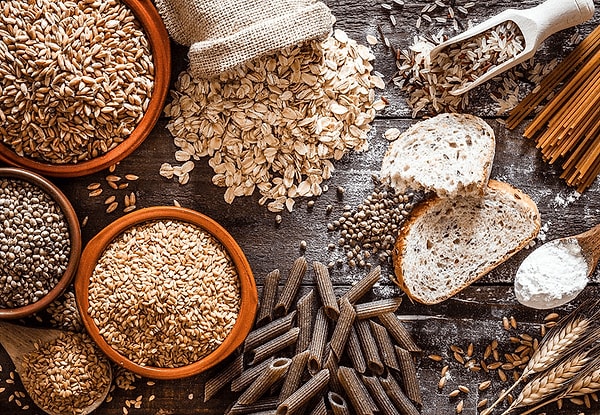
Low-carb diets are currently being promoted as a quick and easy way to boost energy and lose weight. However, completely giving up on all carbohydrates doesn't quite make sense either.
Why doesn't it work for women?
While high amounts of processed carbohydrates are not good for anyone, completely cutting out all carbohydrates (including whole grains, starchy vegetables, and fruits) adversely affects women's energy and health. Carbohydrates serve as a rapid source of energy for the body.
When women cut out carbohydrate intake, they can't maintain their blood sugar levels, balance their moods, or fight off infections. Carbohydrates also work in conjunction with protein in muscle building and send a message to the hypothalamus stating 'We're getting enough nutrients; there's no need to disrupt endocrine function.'
Keşfet ile ziyaret ettiğin tüm kategorileri tek akışta gör!
 Test
Test
 Gündem
 Magazin
 Video
Video



Send Comment