Which Kıvanç Tatlıtuğ Character Matches Your Zodiac Sign?
From Behlül's restlessness to Kuzey's anger, from Sarı Saruhan's flamboyance to Aslan Soykan's iron grip, Kıvanç Tatlıtuğ has left behind some of the most memorable characters on Turkish screens.So which one carries the energy of your sign? We paired all 12 zodiac signs with six of Kıvanç Tatlıtuğ's best-loved characters. Take a look and find out which one you are.
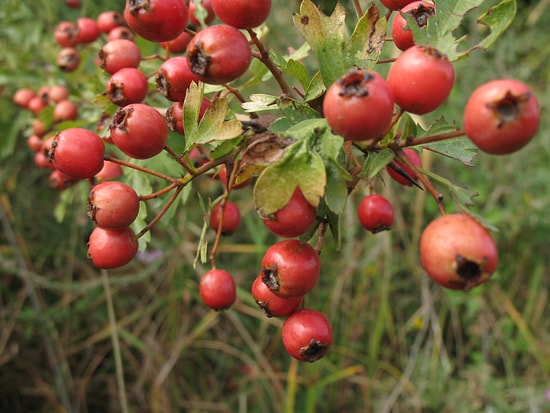
Tiny Fruit Packed With Giant Benefits: Why You Should Try Hawthorn
Known for its tart, slightly sweet flavor, hawthorn has been used for centuries to help with digestive problems, heart conditions, and high blood pressure. Thanks to its rich antioxidant content, it may help lower blood pressure and cholesterol, reduce inflammation, and ease digestion.Here are some of hawthorn’s benefits...
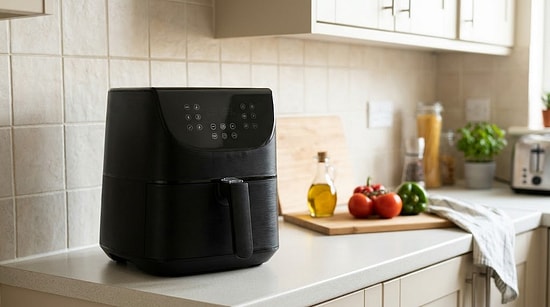
Crucial Air Fryer Question That Every User Asks Finally Answered
The French consumer group UFC-Que Choisir tested the nonstick coatings on six air fryer models for PFAS, widely known as “forever chemicals.” The results were reassuring: none of the PFAS banned over health concerns were found in the appliances.Here are the details…
What It Really Means When Your Dog Carries Food to the Carpet
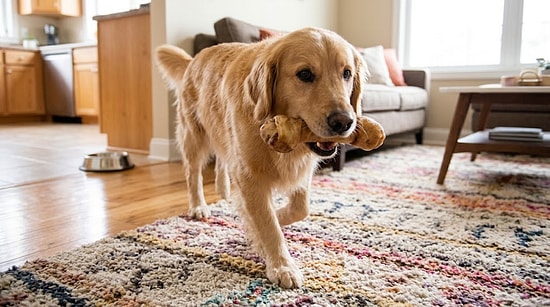
Have you ever watched your dog carry a treat—or a scrap of food that’s fallen in the kitchen—straight to the living room rug? Many pet owners encounter this curious habit regularly. It stems from a mix of deeply rooted instincts and practical reasons.Experts and information from the American Kennel Club (AKC) point to several key reasons dogs take their food elsewhere to eat:
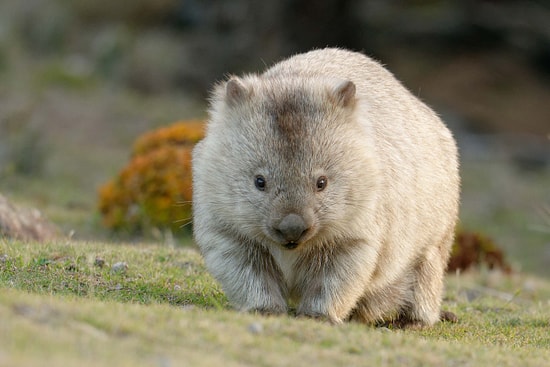
Scientists Finally Discover Why Wombats Poop in Cubes
Why and how wombats, marsupials native to Australia, produce cube-shaped droppings has long puzzled scientists. A team of mechanical engineers and biologists studying this phenomenon—considered one of nature’s most intriguing biological processes—has now unraveled the mystery in a new study.The research found that, contrary to popular belief, the cube shape is not caused by a square-shaped anus or compression by the bones. Instead, it results from distinctive muscle movements and differences in elasticity in the final section of the intestine.