


Empire of Sun and Love: Everything About Magnificent Century, the Iconic Turkish Drama

Set against the grandeur of the 16th century, Magnificent Century, a tale of love and power, has become a global phenomenon. Are you ready to tread the fine line between the ambition of Hürrem Sultan, who rose from the slave market to the pinnacle of the imperial court, and the justice of the World Emperor, Suleiman the Magnificent? Here's everything you need to know about 'Magnificent Century,' from its characters to historical facts, from harem secrets to unforgettable scenes.
Come, let's delve into the details together.


The Empire of the Sun and Love: Everything You Need to Know About Magnificent Century
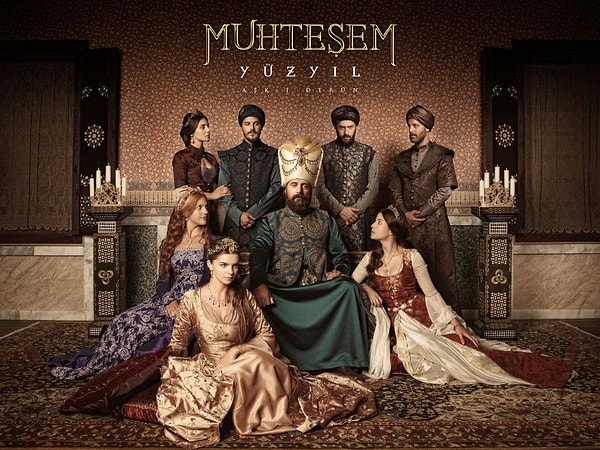
'Muhteşem Yüzyıl' is not merely a television series; it is a time machine that transports the viewer into the heart of the 16th century, to the most magnificent and equally perilous years of the Ottoman Empire. This production, while narrating the story of how an empire brought the world to its knees, simultaneously unveils how the colossal empire was shaped by the smile of a single woman. It reaches more than 500 million viewers worldwide, serving as a grand mirror reflecting the most brilliant era of the Ottoman Empire.
The Apex of Absolute Authority: The Ascent of the World Emperor
The metaphor of the 'Sun' in the series symbolizes the power of the Ottoman Empire, embodied in the person of Suleiman the Magnificent. Upon ascending to the throne, Suleiman not only inherits an empire, but also establishes an unshakeable bridge between the East and the West.
Military and Political Genius: The series narrates Suleiman's military triumphs, from his strategic victories at the Battle of Mohács to the Siege of Rhodes, illustrating how he effectively redrew the map of Europe during his era.
The Power of Justice: While the West referred to Suleiman as the 'Magnificent,' his own subjects knew him as the 'Lawgiver.' The series explores this through his meticulous governance, his emphasis on the legal system, and the concept of 'the inviolability of the individual seeking justice in the presence of the sultan.'
A Revolution in the Harem: Hurrem Sultan and the "Revolution of Love"
The transformation of a slave girl named Alexandra into Hürrem Sultan in Topkapı Palace, the heart of the Empire, is one of the greatest love and power stories in history.
The Shattering of Traditions: In the Ottoman palace tradition, sultans would typically remain unmarried, and concubines would stay within a certain hierarchy. The passion that Süleyman held for Hürrem transformed into a 'Love Revolution' when he officially married her. This shift unsettled the stones in the palace bureaucracy and harem hierarchy.
The Dawn of the Sultanate of Women: Hürrem Sultan was not just the sultan's wife, but also his closest political advisor, a philanthropic leader, and a figure conducting diplomatic correspondences. Her smile in the palace corridors symbolizes both hope and, for her rivals, a threat.
The Dark Side of Splendor: Cost and Tragedy
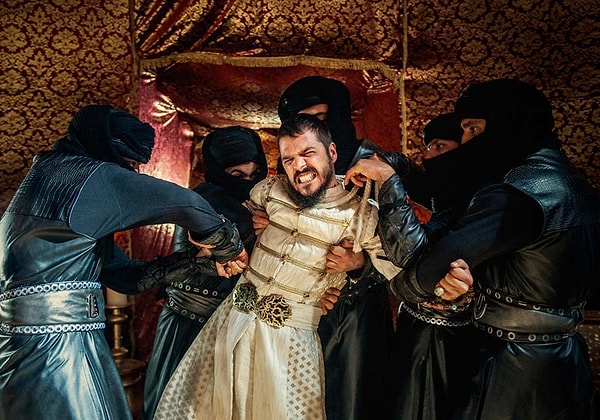
The moment when the sun shines brightest is also the moment when the shadows are the deepest. The cost of survival in the 'Empire of the Sun' is steep.
The Poison of Power and Betrayal: The tragic backbone of the series is formed by the sacrifice of the most loyal friends (Pargalı İbrahim Pasha) and the most beloved children (Prince Mustafa) for the sake of the empire's survival. This demonstrates the isolating force of power.
The Chessboard in the Harem: The harem is a survival arena where, hidden behind silks and jewels, every whisper turns into a dagger, and women exist not just by their beauty, but by their intelligence.
Aesthetic and Visual Heritage
The most tangible proof of the impact the series has made globally is the visual feast it presents.
Costumes and Jewels: Emerald rings, diamond crowns, and heavily embroidered kaftans that reflect the splendour of the 16th century immerse the viewer in the wealth of that era. Hurrem's emerald ring is still remembered worldwide today as a symbol of loyalty and power.
Atmosphere: The dim lights in the palace, the scent of incense, and the sword clatters following the profound silence draw the viewer right into the heart of the Ottoman's enchanting yet ominous atmosphere.
The Unforgettable Characters of Magnificent Century
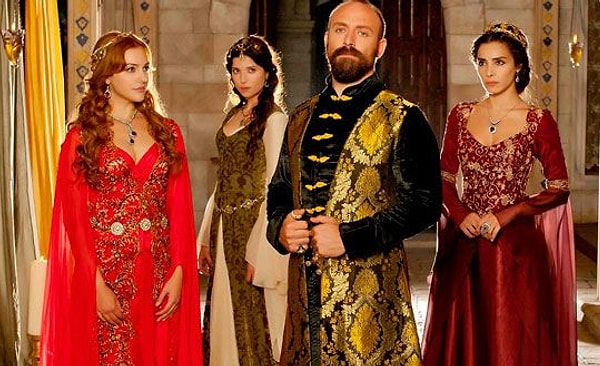
These meticulously crafted characters are what transformed the series into a global phenomenon:
Sultan Suleiman (Halit Ergenç): Known as the 'World Emperor', he shook the world with his justice, yet succumbed to his own heart in love.
Hurrem Sultan (Meryem Uzerli / Vahide Perçin): A woman whose intelligence and ambition took her from slavery to ruling an empire, closing one era in the Ottoman Empire and opening another.
Ayse Hafsa Sultan (Nebahat Çehre): The mother of the Sultan, the Queen Mother. An unshakeable authority preserving the traditions of the palace.
Pargali Ibrahim Pasha (Okan Yalabık): A genius statesman referred to as 'my soul brother' by Suleiman, but whose own pride led to his downfall.
Hatice Sultan (Selma Ergeç): The sister of the Sultan. Known for her elegance and love, she transformed into a tragic figure due to her losses.
Mahidevran Sultan (Nur Fettahoğlu): The mother of Prince Mustafa. A sorrowful woman who lost everything in her power struggle with Hurrem.
Prince Mustafa (Mehmet Günsür): A tragic hero loved by the people and the army, sacrificed by his father for the survival of the state.
Sumbul Aga (Selim Bayraktar): The memory of the harem, a cunning and loyal chief eunuch.
Gul Aga (Engin Günaydın): A strategic figure who brings joy to the harem with his rivalry with Sumbul Aga.
Nigar Kalfa (Filiz Ahmet): A key character who manages the harem with her intelligence, but is dragged into disaster by her love for Pargali Ibrahim.
Frequently Asked Questions (FAQs)
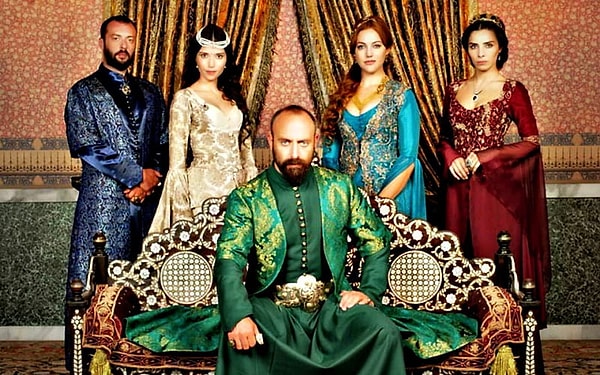
Was Hurrem Sultan really that powerful? According to historical records, Hurrem Sultan was the one who initiated the 'Sultanate of Women' era in Ottoman history. She broke a tradition by officially marrying the Sultan, corresponded with foreign heads of state, and gained immense power in social life by establishing large foundations.
Why was Pargali Ibrahim Pasha executed? As depicted in the series, Ibrahim Pasha's attainment of unlimited power, his self-proclamation as 'Serasker Sultan', and his actions such as erecting his own statue, led to him making enemies within the palace and shaking the Sultan's authority. His quiet execution in the palace in 1536 is a historical fact.
Why is the death of Prince Mustafa so significant? The execution of Prince Mustafa in 1553 caused a great uproar among the Ottoman people, especially among the Janissaries. Mustafa was seen as the strongest candidate for the throne. His death is considered the most bitter example of the harsh rules of the Ottoman throne succession system and palace intrigues.
Why was the series criticized by some circles in Turkey? The main focus of the criticism was the portrayal of a Sultan like Suleiman the Magnificent, who spent his life on campaigns, as constantly in the palace and involved in harem intrigues. However, the producers emphasized that this was not a documentary, but a drama for those curious about the inner world of the palace.
Did Sumbul Aga and Gul Aga really exist? Thousands of officials with the titles of 'Aga' and 'Kalfa' served in the harem. Although the characters of Sumbul and Gul Aga do not specifically exist in history under these names, the roles they represent and their places in the harem hierarchy are completely real.
Why is Suleiman known as 'Magnificent'? Western states called him 'Magnificent' because they were amazed by the splendor of the empire during Suleiman's reign, the invincibility of the army, and the wealth of the palace. His own people, on the other hand, referred to him as 'Kanuni' (Lawgiver), for he was a just leader who solidified state administration with laws.
Keşfet ile ziyaret ettiğin tüm kategorileri tek akışta gör!
 Test
Test
 Gündem
 Magazin
 Video
Video



Send Comment